How to Describe Shoes in Creative Writing: Captivate Readers Instantly
Have you ever struggled to bring a pair of shoes to life in your writing? Describing shoes might seem simple, but the right words can turn them into powerful symbols that reveal character, mood, and story.
You’ll discover easy and creative ways to make your shoe descriptions stand out. By the end, you’ll have fresh ideas to captivate your readers and add depth to your scenes. Ready to step up your writing game? Let’s dive in!
Choosing The Right Details
Choosing the right details makes shoe descriptions vivid and real. Details bring the shoes to life in readers’ minds. They show personality, mood, and setting without saying too much.
Focus on what stands out about the shoes. Small touches create a clear image. Pick details that fit the story and character. This helps readers see the shoes as more than just footwear.
Focus On Material And Texture
Material tells a lot about shoes. Leather, canvas, or rubber each feels different. Describe smoothness, roughness, or softness to create a sense of touch. Texture adds depth and realism. It helps readers imagine holding or wearing the shoes.
Highlight Color And Pattern
Color captures attention quickly. Bright red or dull brown sets a mood. Patterns like stripes, dots, or floral designs add interest. Use color and pattern to reflect character traits or the setting. These details make shoes memorable and unique.
Describe Shape And Size
Shape shows style and function. Pointed toes, round soles, or high heels tell a story. Size matters too. Big boots feel heavy and strong. Small slippers seem delicate and light. Shape and size help define the shoe’s role in the story.
Using Sensory Language
Using sensory language brings shoes to life in creative writing. It helps readers feel, see, hear, and even smell the shoes. This makes your description vivid and memorable. Sensory details create a stronger connection between the reader and the story.
Focus on the senses to paint a full picture. Describe how shoes look, feel, sound, and smell. Each sense adds a new layer to your writing.
Incorporate Touch And Sound
Touch reveals the shoe’s texture and weight. Mention if leather feels smooth or rough. Describe the softness of worn fabric or the stiff coldness of new soles.
Sound adds movement and life. Write about the sharp click of heels on a tile floor. Or the soft thud of sneakers on grass. These sounds build atmosphere and mood.
Appeal To Smell And Sight
Smell can surprise readers. The faint scent of polish or damp leather tells a story. Old shoes might smell musty or dusty. New shoes can smell fresh and sharp.
Sight is the most obvious sense. Use colors, shapes, and shine to describe shoes. Notice the scuffs, the shine, or the way light hits the leather. Small details make your description real.
Conveying Character Through Shoes
Shoes say a lot about a character in a story. They reveal who the person is without speaking. Writers use shoes to show personality, mood, and lifestyle. This small detail brings a character to life. It makes readers imagine the person more clearly. Describing shoes well adds depth to your writing.
Reflect Personality And Mood
Shoes can mirror a character’s personality. Bright sneakers might show a lively, young spirit. Worn-out boots can hint at hard work or struggle. Fancy heels suggest confidence or a need to impress. Shoes also reveal mood. Sloppy slippers might mean tiredness or carelessness. Shiny shoes could show pride or readiness. Choosing the right shoe description helps readers feel the character’s emotions.
Show Lifestyle And Background
Shoes tell stories about a character’s life. Clean, expensive shoes suggest wealth or high status. Old, patched shoes might mean a tough background. Practical shoes often point to an active lifestyle. Muddy hiking boots show a love for nature. School shoes can indicate youth and routine. Using shoe details helps paint a clear picture of where the character comes from and how they live.
Creating Atmosphere With Footwear
Shoes do more than cover feet. They carry stories and moods. Writers use footwear to build atmosphere. Describing shoes helps readers feel the setting deeply. The style, condition, and sound of shoes create vivid scenes. Shoes can hint at time, place, and emotion. They set the stage without long explanations.
Set Time And Place
Shoes reveal the era and location clearly. High heels and shiny leather suggest a city night. Muddy boots hint at a rural, rainy morning. Old sandals can place a scene in a warm, distant land. Describe the shoe’s style and wear to show history. Readers see the world through these details.
Enhance Scene Tone
The tone of a scene grows with shoe descriptions. Quiet slippers create a calm, gentle mood. Heavy boots bring weight and tension to steps. Worn-out sneakers suggest a tired, worn character. The sound of shoes adds to feelings—soft padding or harsh clacks. Use footwear to echo the scene’s emotion.
Avoiding Common Clichés
Describing shoes in creative writing needs care. Avoid clichés that feel tired and dull. Clichés make your writing predictable. Readers want fresh, lively descriptions that catch their eye. Unique shoe descriptions can show character and mood. Focus on original language to bring shoes to life on the page.
Use Fresh Comparisons
Try new and surprising comparisons for shoes. Instead of “as light as a feather,” say “like a whisper of silk.” Compare shoes to unexpected things. Maybe the shine is like a river at dawn or the sole sounds like a soft drumbeat. Fresh images make readers see shoes differently. They add color and depth to simple objects.
Steer Clear Of Overused Phrases
Common phrases like “walk a mile in their shoes” or “shoes that fit like a glove” feel worn out. Avoid these tired sayings. They do not add new meaning or interest. Replace them with your own words. Describe how shoes look, feel, and move without clichés. This keeps your writing vivid and original. Readers appreciate fresh, clear descriptions.
Credit: theimaginationbox.com
Incorporating Symbolism
Shoes do more than protect feet. They carry deep meanings in stories. Using shoes as symbols gives writing more depth. They help readers connect with themes and emotions. Writers can use shoe descriptions to show what characters feel or face. Symbolism turns simple shoes into powerful storytelling tools.
Represent Themes And Motifs
Shoes can stand for ideas or themes in a story. A worn-out shoe might show hard work or struggle. Shiny new shoes could represent hope or new beginnings. Different shoes reflect different journeys. They help highlight motifs like freedom, change, or identity. Shoes tie small details to big story messages.
Use Shoes As Metaphors
Shoes often act as metaphors in creative writing. Saying someone is “walking in someone’s shoes” means understanding their life. Shoes can suggest a path taken or a future one. Describing tight shoes can hint at discomfort or limits. Loose shoes might mean freedom or carelessness. Metaphors with shoes create vivid images and ideas.
Balancing Detail And Pace
Balancing detail and pace is key when describing shoes in creative writing. Too much detail can slow the story down. Too little leaves readers guessing. The right balance keeps readers interested and scenes vivid. Writers should aim to share just enough detail to paint a picture. At the same time, the story must move forward smoothly. This balance helps the description feel natural and part of the story.
Keep Descriptions Concise
Use clear, simple words to describe shoes. Focus on one or two key features. Mention color, shape, or texture briefly. Avoid long lists of details that confuse readers. Short descriptions keep the story lively. Readers imagine the shoes without getting lost in extra information. A quick image is often stronger than a long explanation.
Integrate Seamlessly Into Narrative
Blend shoe descriptions into the actions or thoughts of characters. Show how shoes affect the scene or mood. Describe shoes while a character walks, runs, or stops. Use descriptions to reveal something about the character’s style or feelings. This keeps the story moving. Readers see the shoes as part of the moment, not a separate note.

Credit: www.amazon.com
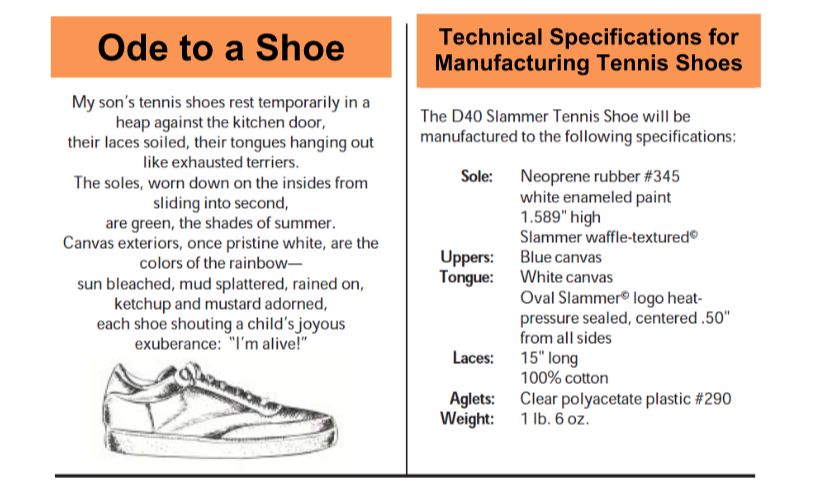
Credit: www.chegg.com
Frequently Asked Questions
How Can I Creatively Describe Shoes In Writing?
Focus on details like texture, color, and wear. Use metaphors and similes to evoke emotions. Show how shoes reflect character traits or mood to engage readers.
What Words Best Describe Shoe Textures And Materials?
Use terms like smooth, rough, glossy, cracked, or suede. Mention materials such as leather, canvas, rubber, or silk for vivid imagery. These details enrich your description.
How Do Shoe Descriptions Enhance Character Development?
Shoes can reveal social status, personality, or profession. Describing them subtly adds depth and context. They help readers visualize and connect with characters better.
Why Is Sensory Detail Important In Shoe Descriptions?
Incorporating sight, touch, and sound makes descriptions immersive. Mention creaking soles or the feel of worn leather. Sensory details bring scenes to life.
Conclusion
Describing shoes adds depth to your creative writing. Choose words that show texture, color, and style. Think about how shoes fit the character’s mood or story. Small details make scenes more real and vivid. Practice often to improve your skill.
Writing about shoes can bring your story to life. Keep it simple, clear, and interesting for readers. Let your words paint a picture that sticks. Shoes tell stories too. Use them well.