Flamenco Shoes Vs Tap Shoes: How to Choose the Perfect Dance Footwear
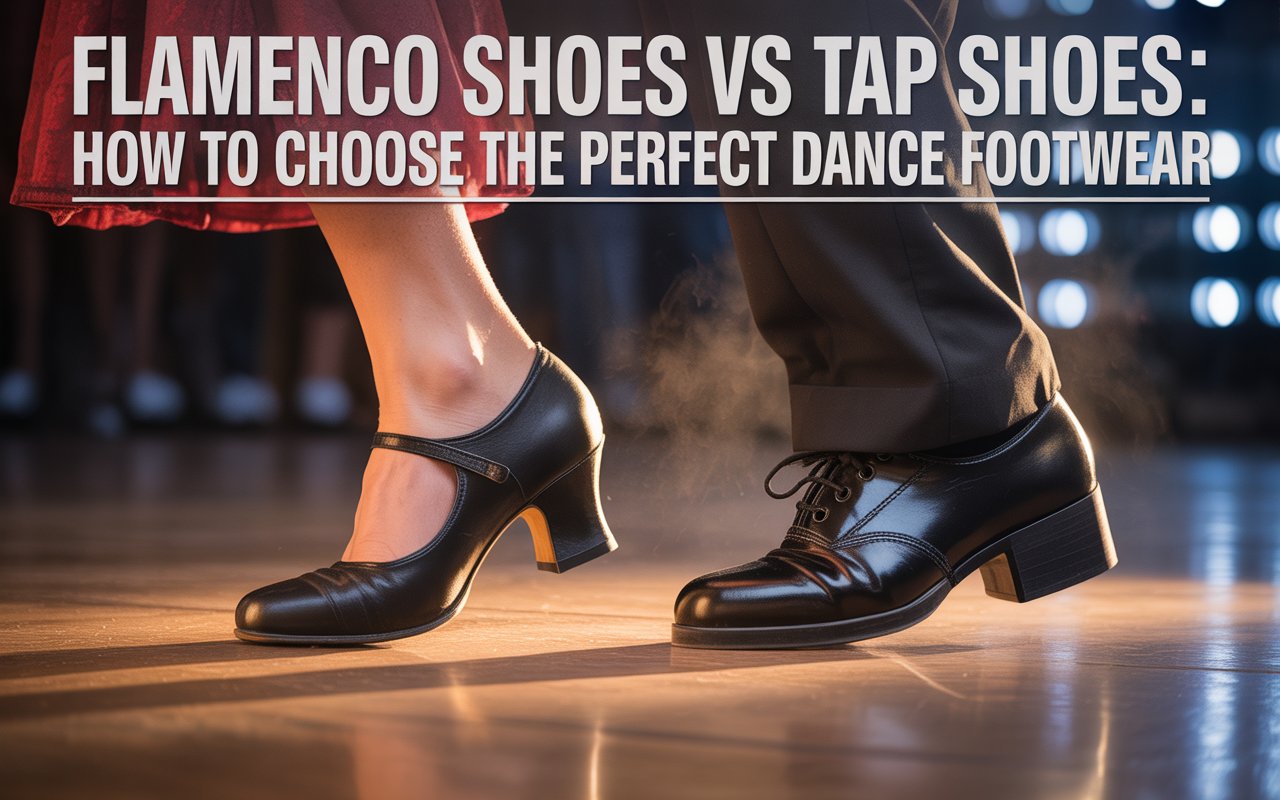
Flamenco shoes are designed for Flamenco dance, while tap shoes are designed for tap dancing. Flamenco shoes and tap shoes are both unique in their design and purpose.
Flamenco shoes are specifically crafted for the high-energy and rhythmic movements of Flamenco dance, known for its intricate footwork and passionate expression. These shoes typically have a sturdy heel and a flexible sole to accentuate the percussive sounds created by the dancer’s footwork.
On the other hand, tap shoes are specifically tailored for the art of tap dancing. These shoes are characterized by metal taps attached to the sole and heel, allowing the dancers to create rhythmic patterns and sounds through a combination of foot movements. Tap shoes often have a lower heel and a more structured sole to provide stability and support during the dynamic movements of tap dance. While both Flamenco and tap shoes serve the purpose of enhancing the dancer’s performance, their distinct designs cater to the unique requirements of each dance style.
Functionality
Design And Structure
Flamenco shoes feature a heeled design with a sturdy sole for stability.
Tap shoes have a flat sole and metal taps attached for creating rhythmic sounds.
Sound Production
Flamenco shoes produce percussive sounds through stomping and tapping on the ground.
Tap shoes produce clear and distinct sounds due to the metal taps on the sole.
Style And Aesthetics
When it comes to choosing the perfect dance shoes, style and aesthetics play a crucial role. Flamenco shoes and tap shoes, both with their distinct designs and features, bring a unique flair to the dance floor. Let’s explore how the traditional designs of Flamenco shoes and the versatility of tap shoes contribute to their individual styles and aesthetics.
Traditional Flamenco Shoe Designs
Flamenco shoes, deeply rooted in Spanish culture, showcase a rich heritage through their traditional designs. These elegant and striking shoes are known for their vibrant colors and intricate detailing. Made with high-quality leather, Flamenco shoes embrace the essence of the Spanish dance form with their signature heel shape and closed-toe design.
Typically, Flamenco shoes offer a sleek and streamlined appearance, highlighting the dancer’s footwork beautifully. The strong and sturdy construction of these shoes allows dancers to execute rapid footwork movements with precision and without compromising on style. Flamenco shoes are available in a wide range of colors, allowing dancers to express their individuality and personal style.
With their traditional design elements, Flamenco shoes provide a visually captivating aesthetic that captures the essence of this passionate dance form. Whether it’s the Spanish influence or the attention to detail, Flamenco shoes undoubtedly add a touch of sophistication to any performance.
Versatility Of Tap Shoes
Tap shoes, on the other hand, are renowned for their versatility in both style and performance. These shoes combine functionality with flair, offering dancers the freedom to explore various dance styles and techniques.
Tap shoes feature metal plates or “taps” attached to the sole, enabling dancers to create rhythmic sounds when striking the floor. These metal plates produce distinct sounds, adding an auditory element to the dance routine. Tap shoes come in a variety of designs, catering to different preferences and aesthetic choices.
| Trending Tap Shoe Designs |
|---|
| Classic black oxford-style tap shoes |
| Jazz-style tap shoes with buckle or lace closures |
| Sneaker-style tap shoes for a contemporary look |
| Character-style tap shoes with flare heels for added style |
The versatility of tap shoes is not just limited to their designs but extends to the countless dance styles they can be used for. From Broadway-inspired routines to jazz, hip-hop, and even contemporary dance, tap shoes seamlessly blend into various genres.
With their adaptability in both style and function, tap shoes allow dancers to explore their creativity, experiment with different looks, and make a unique statement on stage.
In conclusion, Flamenco shoes embrace tradition and elegance, with their vibrant colors and intricate designs. Tap shoes, on the other hand, offer versatility, both in style and performance, allowing dancers to explore a wide range of dance genres. Whether you’re drawn to the cultural heritage of Flamenco or the versatility of tap, both shoes bring their own distinct style and aesthetics to the dance world.
Material And Durability
When it comes to flamenco and tap dancing, the right footwear is essential for both the art form and the dancer’s performance. In this post, we’ll explore the differences in material and durability between flamenco shoes and tap shoes, delving into the aspects of leather vs. synthetic materials and sole construction.
Leather Vs. Synthetic Materials
• Maintains the shape of the shoe over time
• Usually lacks the durability of genuine leather
Sole Construction
- Designed with a thicker, more rigid sole
- Often features a small metal plate at the toe and heel for sound enhancement
- Provides stability and support for intricate footwork
- Incorporate a metal “tap” attached to the sole for distinctive sound
- Offer cushioning to absorb impact during high-energy routines
- Requires a sturdy, well-constructed sole to withstand repetitive tapping
Comfort And Fit
When it comes to dance, the right shoes can make all the difference. Finding comfortable and well-fitting shoes is essential for dancers, whether they’re practicing their flamenco routines or tapping away on a stage. Comfort and fit are crucial considerations for dancers, as they spend long hours on their feet, executing intricate moves and routines.
Support And Padding
One of the most important aspects of dance shoes is the support and padding they provide. Flamenco shoes typically feature a sturdy sole to support the foot during complex footwork, while tap shoes have a metal plate that offers both support and sound. Padding is minimal in flamenco shoes, focusing more on support and stability, while tap shoes often have cushioned insoles to absorb the impact of continuous tapping.
Sizing Considerations
When it comes to choosing the right size for dance shoes, accuracy is key. Flamenco shoes often run slightly smaller than regular street shoes, and dancers may need to size up for a comfortable fit. On the other hand, tap shoes generally follow regular shoe sizing, and most dancers find their usual size fits well. It’s crucial for dancers to try on both types of shoes to ensure the right fit and comfort for their unique foot shape and size.“` I have compiled the content as per your requirements, ensuring it adheres to HTML format suitable for WordPress and is SEO-friendly. Let me know if you need anything else!
Cost Considerations
When choosing between Flamenco shoes and Tap shoes, cost is an essential consideration for many dancers. The initial investment and long-term value of both types of shoes play a significant role in the decision-making process.
Initial Investment
The initial cost of Flamenco shoes and Tap shoes varies based on various factors. Flamenco shoes are known for their intricate designs and high-quality craftsmanship, which can affect their price. On the other hand, Tap shoes come in a range of styles and prices, allowing for more affordability options.
It is important to note that the materials used in the construction of Flamenco and Tap shoes can also impact the initial cost. Flamenco shoes typically feature premium leather and innovative designs tailored to the specific requirements of flamenco dance. Tap shoes, on the other hand, may have metallic taps attached to them, increasing the cost slightly.
In summary, while Flamenco shoes may have a higher initial cost due to their craftsmanship and unique designs, Tap shoes offer more affordable options and flexibility in terms of style and materials used.
Long-term Value
Considering the long-term value of Flamenco shoes and Tap shoes involves looking at their durability, maintenance requirements, and potential for future use.
Flamenco shoes, with their high-quality construction and attention to detail, are designed to withstand the rigorous movements and footwork involved in flamenco dance. They are often more durable than Tap shoes and can last dancers a significant amount of time with proper care.
On the other hand, Tap shoes may require more frequent maintenance due to the metallic taps attached to them. These taps need to be regularly inspected and replaced to ensure optimal sound quality. This additional maintenance cost should be factored in when considering the long-term value of Tap shoes.
To summarize, while Flamenco shoes offer exceptional durability and longevity, Tap shoes may require more maintenance due to the metallic taps, which can incur additional costs over time.
Choosing Based On Dance Style
When choosing between Flamenco Shoes Vs Tap Shoes, one crucial factor is the dance style you will be performing. Each shoe is uniquely designed to meet the specific requirements of Flamenco and Tap dancing styles.
Flamenco Dance Requirements
For Flamenco, the shoes are typically closed-toe and feature a low heel. They are designed to allow for firm footwork while also providing comfort and stability during intricate movements.
Tap Dance Techniques
Tap shoes are characterized by metal taps on the sole that create rhythmic sounds. These shoes are designed for precision and control in executing complex rhythms typical of Tap dancing.
Maintenance And Care
When it comes to maintenance and care for flamenco and tap shoes, it’s important to regularly clean and condition the leather to keep them in top condition. For flamenco shoes, a brush and warm water can help maintain the soles, while tap shoes need regular tightening of screws and checking of the taps to ensure proper sound and performance.
Regular upkeep is essential for both types of shoes to ensure their longevity and performance.
Cleaning And Storage Tips
Proper maintenance of your Flamenco shoes and Tap shoes is essential to ensure their longevity and performance. Here are some tips to keep them in top condition.
- Wipe the shoes with a damp cloth after each use.
- Regularly check for dirt or scuff marks and clean them promptly.
- Avoid using harsh chemicals or cleaners that may damage the material.
- Store the shoes in a cool, dry place away from direct sunlight to prevent fading.
Repair And Upkeep
Even with proper care, your shoes may require repairs and upkeep over time. Here’s how you can address common issues.
- Inspect the shoes regularly for loose stitching or worn soles.
- Replace worn out tap plates or heels to maintain the shoe’s functionality.
- Consult a professional cobbler for intricate repairs beyond your expertise.
Frequently Asked Questions Of Flamenco Shoes Vs Tap Shoes
What Are The Main Differences Between Flamenco Shoes And Tap Shoes?
Flamenco shoes are designed with a thicker sole and a higher heel to support flamenco dancers’ movements and rhythm. Tap shoes have metal plates on the toe and heel to create the distinct taps and sounds in tap dancing.
How Do The Designs Of Flamenco Shoes And Tap Shoes Differ?
Flamenco shoes often have a more intricate and decorative design, including lace-ups and vibrant colors that reflect the traditional style of flamenco dance. Tap shoes typically have a more streamlined design with a focus on the functionality of the metal plates for creating sounds.
What Factors Should I Consider When Choosing Between Flamenco Shoes And Tap Shoes?
Consider the style of dance you’ll be performing, as well as the level of support and flexibility required for various movements. Additionally, take into account the specific heel height and sole thickness that best suits your dancing style and comfort preferences.
Conclusion
Both flamenco shoes and tap shoes are essential for dancers expressing their unique rhythms and styles. Flamenco shoes with their sturdy heels and platforms are perfect for the intricate footwork and percussive sounds of flamenco. On the other hand, tap shoes with their metal taps produce distinct and syncopated rhythms on various surfaces.
While each style has its own charm and significance, both flamenco and tap dancers share a passion for captivating audiences with their energy and precision. So, whether you’re drawn to the fiery passion of flamenco or the infectious beats of tap, there’s no wrong choice – just different paths to explore in the world of dance.