How to Fix Cracked Leather on Shoes : Ultimate Guide for Repair
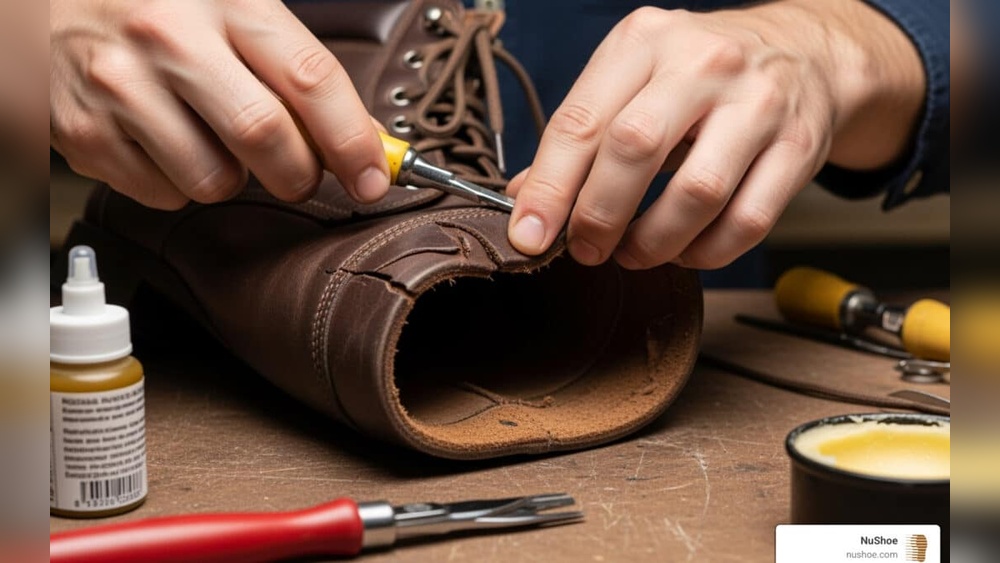
To fix cracked leather on shoes, clean the area thoroughly, apply leather filler, and blend with dye. Cracks can be fixed with straightforward methods.
Leather shoes are a timeless and stylish footwear option that can elevate any outfit. However, over time, the leather may develop cracks, diminishing their appearance. Fortunately, with a few simple techniques, you can easily repair cracked leather on your shoes and restore them to their former glory.
By following the steps to repair cracked leather, you can prolong the life of your favorite shoes and keep them looking as good as new. So let’s delve into the process of fixing cracked leather on shoes to maintain their quality and appearance.
Determining The Severity Of Cracks
To fix cracked leather on shoes, first, determine the severity of the cracks by closely inspecting them. Assess if the cracks are superficial or deep, as this will guide your repair approach. This initial evaluation is crucial for choosing the right products and methods to effectively mend the leather.
Visual Inspection
One essential step in fixing cracked leather shoes is to determine the severity of the cracks. This allows you to understand the level of damage and decide on the appropriate repair methods. One approach to assessing the severity is through a visual inspection. Take a closer look at the cracks and examine their size, depth, and location on the shoes.
When visually inspecting the cracks, consider their size. Are they small and superficial, or are they larger and more severe? Small cracks may be easier to fix with simple remedies, while larger cracks may require more intensive repairs.
Furthermore, pay attention to the depth of the cracks. Are they surface-level or do they extend deep into the leather? Surface-level cracks can often be addressed with basic treatments, but deeper cracks may require professional repair or replacement of the affected sections.
The location of the cracks is another important aspect to consider. Are they primarily concentrated in one area or are they spread across the entire shoe? Cracks that are concentrated in one area may be easier to address compared to cracks that affect multiple areas of the shoe.
Assessing Flexibility
In addition to visual inspection, assessing the flexibility of cracked leather shoes provides further insight into their condition. By checking the flexibility, you can determine the extent of damage and the potential for successful repairs.
Start by gently flexing the shoe in various directions. Observe how the leather responds to this movement. Is it stiff and unyielding, or does it still retain some flexibility? A stiff shoe may suggest that the cracks are deep and have affected the overall structure of the leather.
Next, test the flexibility of specific areas where the cracks are located. Apply a slight pressure to these areas and assess their response. Do they give way easily, or do they show resistance? Areas that remain rigid despite the pressure indicate more severe damage.
By evaluating the flexibility of cracked leather shoes, you can make informed decisions regarding the appropriate repair methods. This assessment will guide you in determining whether simple DIY remedies will suffice or if professional intervention is necessary.
Preparing The Shoes For Repair
Before fixing cracked leather on shoes, it’s crucial to properly prepare the shoes for repair. This process involves cleaning the leather and applying a leather conditioner to ensure the best results. Follow these steps to get your shoes ready for repair.
Cleaning The Leather
Start by removing any dirt or debris from the cracked areas using a soft brush or cloth. Create a solution of mild soap and water, gently scrub the leather to clean it thoroughly. Rinse the shoes with a damp cloth and allow them to dry completely.
Applying Leather Conditioner
Select a high-quality leather conditioner suitable for your shoes. Apply the conditioner evenly over the cracked areas using a soft cloth. Massage the conditioner into the leather in circular motions. Let the conditioner absorb into the leather for the recommended time before proceeding to the repair phase.
Repairing Small Cracks
With these simple steps, you can easily fix small cracks on your leather shoes, giving them a fresh look and extending their lifespan. Follow this guide to learn how to repair cracked leather on your shoes quickly and effectively.
Repairing Small Cracks on leather shoes can help extend their lifespan and keep them looking polished. One common method for fixing small cracks is by using leather glue. Another effective technique is applying leather filler to fill in the cracks. Here’s how to do it:Using Leather Glue
1. Clean the cracked area with a damp cloth. 2. Apply a small amount of leather glue to the crack. 3. Press the edges of the crack together and hold them in place until the glue sets. 4. Let the glue dry completely before wearing the shoes again.Applying Leather Filler
1. Clean the cracked area with a mild leather cleaner. 2. Apply a thin layer of leather filler to the crack using a spatula. 3. Smooth out the filler evenly over the crack. 4. Let the filler dry according to the manufacturer’s instructions. By following these simple steps, you can easily repair small cracks on your leather shoes at home.Repairing Large Cracks
When it comes to repairing large cracks on leather shoes, there are a few methods you can try to restore the integrity and appearance of the leather. Two common techniques for repairing large cracks are stitching the cracks and using a leather patch. Both methods require some patience and skill, but with proper execution, you can extend the life of your favorite pair of leather shoes.
Stitching The Cracks
One effective way to repair large cracks on leather shoes is by stitching the cracks. This method involves using a needle and thread to carefully sew the cracked leather back together. Here’s how you can do it:
- Clean the cracked area of the leather shoes with a damp cloth to remove any dirt or debris.
- Apply a leather conditioner or leather glue to the cracked area to soften the leather and provide better adhesion.
- Thread a needle with a strong waxed thread that matches the color of the leather.
- Begin stitching from one end of the crack to the other, using small, even stitches.
- Pull the thread tight but not too tight to avoid damaging the leather.
- Tie a knot at the end of the stitching to secure the thread.
- Trim any excess thread.
- Apply a leather conditioner or shoe polish to the stitched area to restore its appearance and flexibility.
Using A Leather Patch
Another method to repair large cracks on leather shoes is by using a leather patch. The patch acts as a reinforcement that helps to stabilize and cover the cracks. Here’s how you can use a leather patch to fix cracked leather shoes:
- Clean the cracked area of the leather shoes with a damp cloth to remove any dirt or debris.
- Choose a leather patch that matches the color and texture of the shoe.
- Cut the patch in a size and shape that will cover the entire cracked area.
- Apply a leather adhesive or glue to the back of the patch.
- Press the patch firmly onto the cracked area, making sure it adheres well.
- Smooth out any air bubbles or wrinkles with your fingers.
- Leave the patched area to dry according to the adhesive manufacturer’s instructions.
- Apply a leather conditioner or shoe polish to the patched area to blend it with the rest of the shoe.
By following these techniques, you can effectively repair large cracks on your leather shoes, giving them a new lease on life. Remember to take your time and work carefully to ensure a successful repair. With proper maintenance and care, your leather shoes can continue to serve you well for many more years to come.
Color Matching And Finishing
When it comes to fixing cracked leather on shoes, color matching and finishing are essential steps to ensure a seamless repair. Ensuring the correct color match and applying the right finishing techniques can help restore the appearance and functionality of your shoes. Let’s explore the crucial considerations for color matching and finishing cracked leather on shoes.
Choosing The Right Color
Choosing the right color for the leather repair is crucial to achieving a natural and seamless look. Before proceeding with any color matching, it’s important to clean the shoes thoroughly to remove any dirt or debris that could affect the accuracy of matching the color.
When selecting the color, it’s best to compare swatches or samples in natural light to ensure an accurate match. Consider visiting a professional shoe repair shop if you are unsure about the color matching process, as they can provide expert advice and assistance in choosing the right shade for your shoes.
Applying Leather Dye Or Paint
Once you have identified the correct color match, it’s time to apply the leather dye or paint to the cracked areas of the shoes. Before starting the application, carefully read the instructions provided with the dye or paint to ensure proper application and drying techniques.
Ensure that the leather is clean and dry before applying the dye or paint. Using a small brush or sponge, apply thin, even coats of the dye or paint to the cracked areas, allowing each layer to dry completely before applying the next one. This gradual approach helps achieve a smooth and natural finish, blending the repaired areas with the rest of the shoe.
Maintaining And Preventing Future Cracks
To keep your leather shoes looking their best and avoid future cracks, follow these essential tips for maintenance.
Regular Cleaning And Conditioning
Regular cleaning and conditioning are crucial for preventing cracks in leather shoes. Use a gentle leather cleaner to remove dirt and grime from the surface. After cleaning, apply a high-quality leather conditioner to keep the leather supple and moisturized, helping to prevent it from drying out and cracking.
Avoiding Excessive Moisture
Avoid exposing your leather shoes to excessive moisture, as this can cause the leather to become weak and prone to cracking. If your shoes get wet, allow them to air-dry at room temperature. Avoid using direct heat sources like hairdryers, as this can damage the leather. Additionally, consider using a waterproofing spray to add a protective layer against moisture.
Seeking Professional Help
When trying to fix cracked leather on shoes, seeking professional help is crucial for a lasting solution. Expert repair services can restore the appearance of your shoes and prevent further damage. Trusting professionals ensures quality repair work and prolongs the life of your favorite leather footwear.
Contacting A Leather Repair Specialist
When it comes to fixing cracked leather on your beloved shoes, seeking professional help can be the best way to ensure a high-quality and durable repair. Contacting a leather repair specialist is a wise decision as they have the expertise and tools needed to restore your shoes to their former glory.
A leather repair specialist has a deep understanding of different types of leather and can determine the most suitable method to fix the cracks. They have access to a wide range of quality leather repair products and can skillfully apply them to your shoes.
Moreover, a professional will assess the extent of the damage and provide an accurate evaluation of what needs to be done. They can also provide recommendations on how to prevent future cracking and help you maintain the longevity of your shoes.
Considering Resoling Or Replacing
When faced with cracked leather shoes, you may also want to consider resoling or replacing them. Resoling is an excellent option if the upper part of the shoe is in good condition, while the sole is worn out. This process involves removing the old sole and attaching a new one to the shoe, giving it a fresh lease on life.
However, if the cracks are severe and extend beyond the surface level, replacing the shoes entirely might be a more practical choice. Although this may seem like a significant investment, it ensures you have a pair of shoes that will last for years to come.
Purchasing new shoes should also be considered if the cost of repair exceeds the value of the shoes themselves. A leather repair specialist can help you make an informed decision by providing an estimate of the cost and assessing whether it is worth repairing.
Tips And Tricks For Diy Repair
Learn effective DIY tips to repair cracked leather on shoes with simple techniques. Discover how to restore the beauty of your favorite footwear with our easy-to-follow tricks. Keep your shoes looking stylish and well-maintained without breaking the bank.
Tips and Tricks for DIY Repair Cracked leather shoes can be distressing, but fear not! By following these simple tips and tricks, you can restore your favorite pair back to life. H3 headings in HTML format: “`htmlUsing A Hairdryer To Blend Glue
“` When tackling cracked leather on shoes, using a hairdryer to warm the area before applying glue can be effective. Testing Products on an Inconspicuous Area: “`htmlTesting Products On An Inconspicuous Area
“` Always test any new repair product on an inconspicuous area of the shoe to avoid further damage. Whether you opt to use a hairdryer or test products, taking the DIY approach to fix cracked leather on shoes is a cost-effective solution anyone can master.Frequently Asked Questions Of How To Fix Cracked Leather On Shoes
How Can I Fix Cracked Leather On Shoes?
To fix cracked leather on shoes, start by cleaning the shoes with a leather cleaner to remove dirt and oils. Then, apply a leather conditioner to moisturize and soften the leather. Finish by using a leather repair kit to mend the cracks and restore the appearance of the shoes.
What Are The Common Causes Of Leather Cracking On Shoes?
Leather cracking on shoes can be caused by factors such as dryness, lack of maintenance, exposure to extreme temperatures, and high levels of humidity. Over time, these conditions can lead to the leather losing its natural oils and flexibility, resulting in cracks and damage.
Is It Possible To Prevent Leather Shoes From Cracking?
Yes, you can prevent leather shoes from cracking by regularly cleaning and conditioning the leather to keep it moisturized and supple. Additionally, storing shoes in a cool, dry place and using shoe trees to maintain their shape can help prevent the development of cracks and prolong the lifespan of the leather.
Conclusion
Fixing cracked leather on shoes is a straightforward process that can be done at home with some simple steps. By following our guide, you can revive your worn-out shoes and give them a new lease of life. Remember to clean, moisturize, and carefully apply the leather repair products for the best results.
With a little bit of time and effort, you can keep your leather shoes looking great for many more years to come. So why wait? Start repairing those cracks today and enjoy your stylish and durable shoes once again.