How to Keep Climbing Shoes from Smelling: Expert Tips That Work
Are your climbing shoes starting to smell bad, no matter how often you try to clean them? You’re not alone.
That stubborn odor can make your climbing sessions less enjoyable and even affect your confidence on the wall. But don’t worry—keeping your shoes fresh is easier than you think. You’ll discover simple, effective tips to stop the smell before it starts and keep your climbing shoes feeling clean and comfortable every time you put them on.
Keep reading, and say goodbye to stinky shoes for good.
Causes Of Odor In Climbing Shoes
Climbing shoes often develop bad smells after use. Understanding the causes helps prevent odor. Several factors lead to the build-up of unpleasant smells inside your shoes.
Sweat And Bacteria Build-up
Your feet sweat inside climbing shoes. Sweat creates a warm, damp place for bacteria. Bacteria feed on sweat and dead skin cells. This process produces foul odors over time. Without proper drying, bacteria multiply quickly.
Material And Design Factors
Some shoe materials trap moisture more than others. Synthetic fabrics may hold sweat inside. Leather shoes can absorb sweat but take longer to dry. Tight-fitting designs reduce airflow. Less airflow means more moisture stays inside the shoe.
Frequency Of Use
Wearing climbing shoes every day increases odor risk. Shoes do not get enough time to dry between uses. Continuous use causes sweat and bacteria to build up fast. Resting shoes helps reduce moisture and smell.

Credit: www.youtube.com
Daily Care Habits
Daily care habits help keep climbing shoes fresh and odor-free. Small actions after each use prevent bad smells. These habits also extend your shoes’ life. Consistency is key for the best results.
Proper Drying Techniques
Always dry climbing shoes after use. Remove them from your bag right away. Let air flow inside and outside the shoes. Avoid direct sunlight or heat sources. Heat can damage shoe material and shape. Stuff shoes with newspaper to absorb moisture. Change the paper if it gets very wet. This method helps shoes dry faster and smell better.
Cleaning After Use
Clean your climbing shoes regularly to stop odor. Use a soft brush to remove dirt and chalk. Wipe inside with a damp cloth. Avoid soaking shoes in water. If needed, use mild soap with water. Rinse and dry shoes thoroughly afterward. Keep cleaning gentle to protect shoe materials. Clean shoes feel fresher and last longer.
Using Shoe Deodorizers
Shoe deodorizers reduce bad smells effectively. Choose natural options like activated charcoal or cedar balls. Place them inside shoes overnight or during storage. Avoid harsh chemical sprays that can harm materials. You can also use baking soda in small cloth bags. Replace or refresh deodorizers regularly for best results. Deodorizers keep shoes smelling clean between uses.
Deep Cleaning Methods
Deep cleaning climbing shoes helps remove bacteria and bad smells. It keeps shoes fresh and lasts longer. Regular deep cleaning stops odors from building up inside the shoes. Use gentle methods to protect the shoe materials. Here are some easy ways to clean your climbing shoes deeply.
Hand Washing Tips
Fill a basin with warm water and mild soap. Avoid strong detergents that can damage shoes. Use a soft brush or cloth to scrub inside and outside. Focus on areas with sweat and dirt. Rinse shoes well with clean water. Let them air dry in a cool, shaded place. Do not use direct sunlight or heat sources.
Machine Washing Precautions
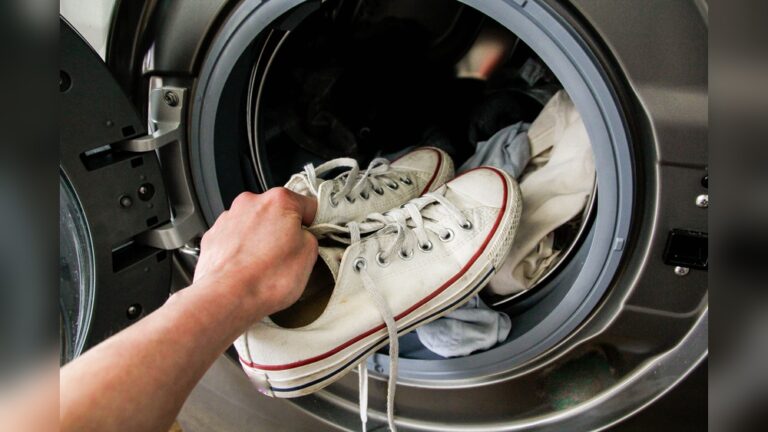
Check the shoe label before machine washing. Use a gentle cycle with cold water only. Put shoes inside a pillowcase or laundry bag for protection. Avoid using bleach or fabric softeners. Remove insoles and laces to clean separately. Let shoes dry naturally after washing. Machine washing may harm some shoe materials, so use carefully.
Natural Cleaning Solutions
Use natural ingredients to clean and deodorize shoes. Mix equal parts water and white vinegar in a spray bottle. Spray inside the shoes and wipe with a cloth. Baking soda also helps absorb odors. Sprinkle baking soda inside shoes and leave overnight. Shake out the powder before wearing. These natural solutions are safe and effective.
Preventative Products
Keeping climbing shoes fresh starts before the smell begins. Using the right products stops bacteria and sweat from building up. These tools help keep your shoes clean and dry. They work well to prevent bad odors and make your climbing experience better.
Antibacterial Sprays
Antibacterial sprays kill germs that cause bad smells. Spray inside your shoes after each use. Let the shoes air dry with the spray inside. This stops bacteria from growing and keeps shoes fresher longer. Choose sprays made for shoes to avoid damage.
Odor Absorbing Inserts
Odor absorbing inserts soak up moisture and bad smells. Put them inside your climbing shoes when not in use. They help shoes dry faster and reduce sweat buildup. Many inserts contain activated charcoal or baking soda. These materials trap odor and keep shoes fresh.
Essential Oils And Natural Remedies
Essential oils can fight bacteria and add a fresh scent. Tea tree and lavender oils work well for this. Put a few drops on a cotton ball and place it in your shoes. Natural remedies like baking soda also absorb moisture and odor. Sprinkle baking soda inside shoes, then shake it out before wearing.
Storage Solutions
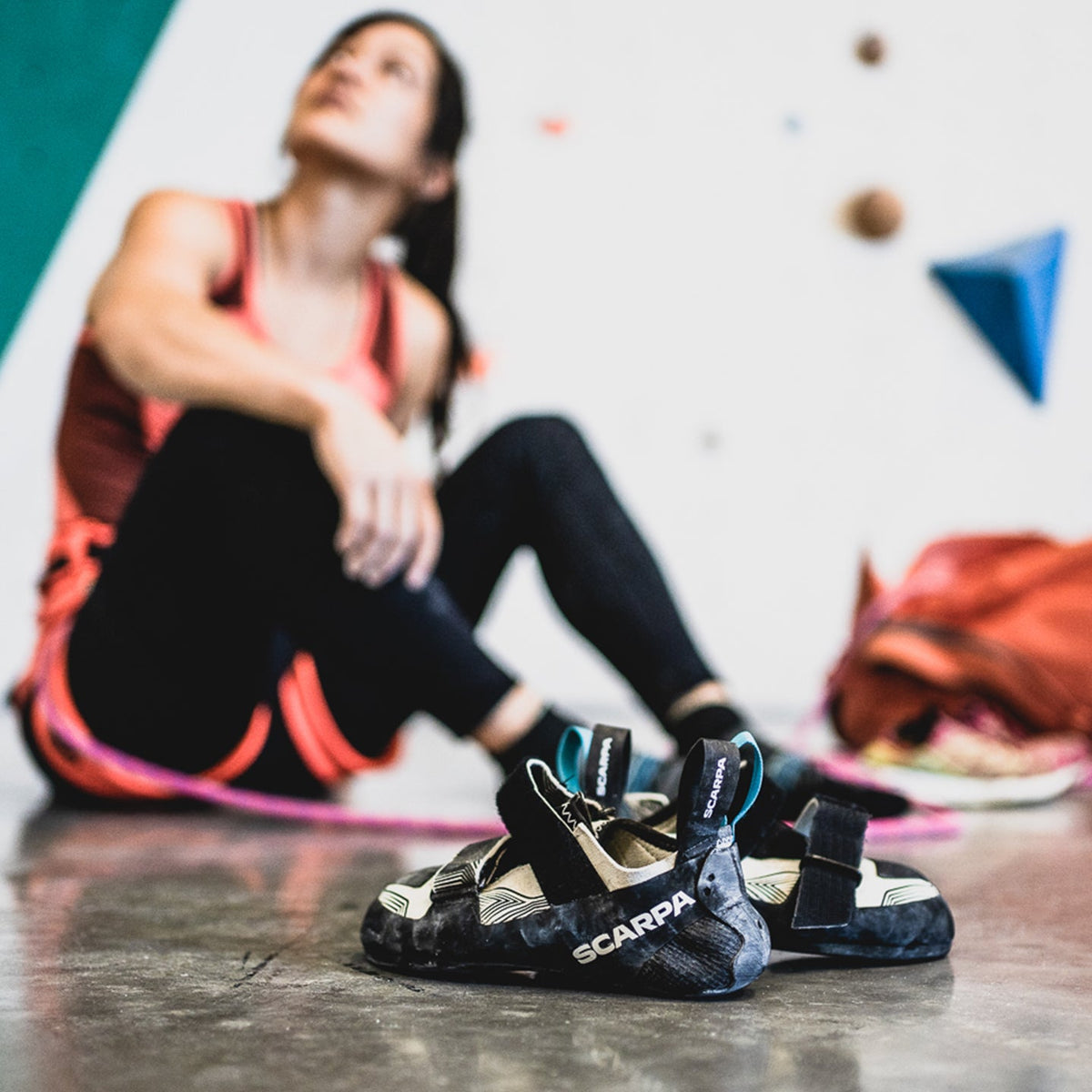
Proper storage plays a big role in keeping climbing shoes fresh. Shoes that breathe and stay dry smell better. Storing them correctly stops bad odors from building up. Follow these tips to keep your shoes clean and ready for your next climb.
Air Circulation Importance
Good air flow helps shoes dry faster. Avoid tight, closed spaces. Open shelves or mesh bags work well. Let air move freely around the shoes. This stops moisture from staying inside and causing smells.
Avoiding Damp Environments
Keep shoes away from damp places. Basements or bathrooms can hold moisture. Dampness feeds bacteria that cause odor. Store shoes in dry, cool areas instead. This keeps them fresh and extends their life.
Using Desiccants
Desiccants absorb moisture inside shoe storage. Silica gel packs are a simple choice. Place them inside shoes or storage bags. Replace them regularly to keep moisture low. This helps stop smells before they start.
Credit: scarpa.com
When To Replace Climbing Shoes
Climbing shoes last a long time, but they do wear out. Knowing when to replace them helps keep your feet healthy and your climbs strong. Shoes that smell bad all the time might need to be swapped out. Smell is not the only sign to watch for. Physical damage matters too.
Signs Of Irreversible Odor
Some shoe odors never go away. If washing and airing out do not help, the smell is likely deep inside. This smell can cause discomfort and distract you during climbs. Persistent odor shows that bacteria and fungi have settled inside the shoe.
Using baking soda or sprays might mask the smell. Still, if the bad odor remains after many treatments, replacement is the best choice. Fresh shoes keep your feet fresher and reduce the risk of infections.
Wear And Tear Indicators
Look closely at your climbing shoes for visible damage. Cracked rubber, holes, and worn soles reduce grip and performance. Loose seams and stretched material affect fit and comfort. Shoes that feel loose or tight in odd ways may have lost shape.
Worn shoes make climbing harder and less safe. The grip on rocks or walls weakens. If your shoes show these signs, it is time to buy new ones. Keeping shoes in good shape protects your feet and climbing ability.
Choosing New Shoes With Odor Resistance
Some climbing shoes come with odor-resistant materials. These use special fabrics or treatments to reduce sweat and bacteria. Shoes made with antimicrobial linings keep smells down longer. Breathable materials help air flow and dry sweat faster.
Pick shoes with these features to help prevent bad odors. Proper care still matters, but odor-resistant shoes stay fresher. This choice saves money and keeps your climbing experience more pleasant.

Credit: www.climbingshoereview.com
Frequently Asked Questions
How Can I Prevent Climbing Shoes From Smelling Bad?
Keep climbing shoes dry by airing them out after use. Use moisture-wicking socks and sprinkle baking soda inside. Clean shoes regularly and avoid wearing them for extended periods without breaks. Proper hygiene and shoe care prevent odor buildup effectively.
What Materials Help Reduce Odor In Climbing Shoes?
Natural materials like leather and wool help reduce odor as they breathe well. Synthetic liners with antimicrobial properties also prevent bacteria growth. Choosing shoes with breathable uppers enhances air circulation, reducing moisture and odor inside.
Is It Safe To Wash Climbing Shoes To Remove Odor?
Yes, hand wash climbing shoes gently with mild soap and water. Avoid machine washing or soaking as it damages shoes. Allow them to air dry completely in a shaded area to prevent odor and maintain shoe shape.
Can Odor-fighting Sprays Eliminate Climbing Shoe Smell?
Odor-fighting sprays with antibacterial agents can reduce smell temporarily. Use sprays designed for sports shoes to kill bacteria inside. However, sprays should complement drying and cleaning routines, not replace them, for lasting freshness.
Conclusion
Keeping climbing shoes fresh takes simple daily care. Let them dry fully after each use. Clean the insides with gentle wipes or sprays. Use odor-absorbing powders or inserts regularly. Store shoes in a dry, well-ventilated place. Avoid wearing the same pair every day.
Small habits make a big difference in smell control. Follow these tips to enjoy fresh shoes every climb. Your feet will thank you for it.