How to Shoe a Horse With Ringbone: Expert Tips for Relief
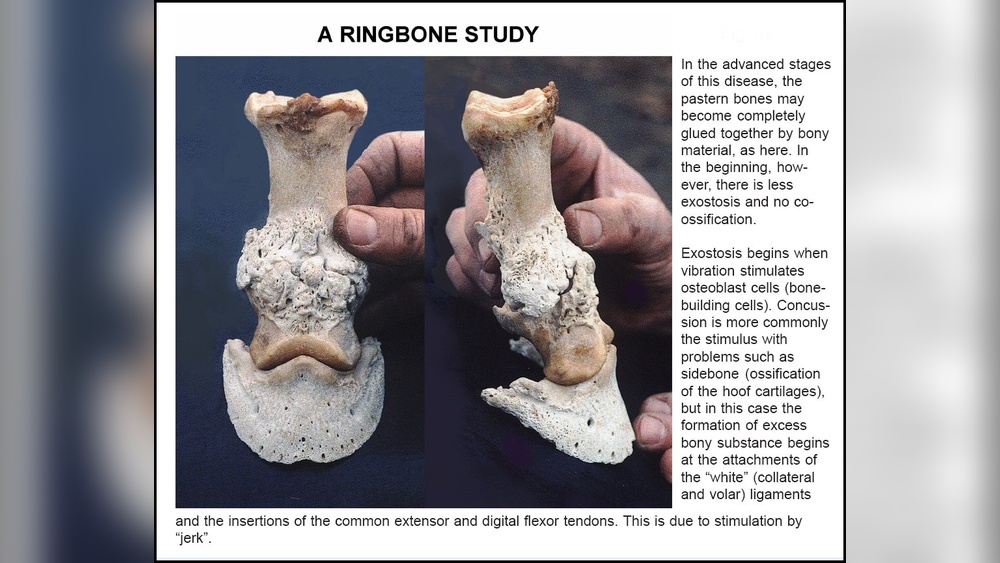
If you have a horse with ringbone, you know how tricky it can be to keep them comfortable and sound. Shoeing a horse with this condition requires extra care and the right techniques to reduce pain and support healing.
You’ll discover clear, practical steps that can make a real difference for your horse’s comfort and movement. Keep reading to learn how you can shoe your horse in a way that helps manage ringbone and keeps your companion moving smoothly.
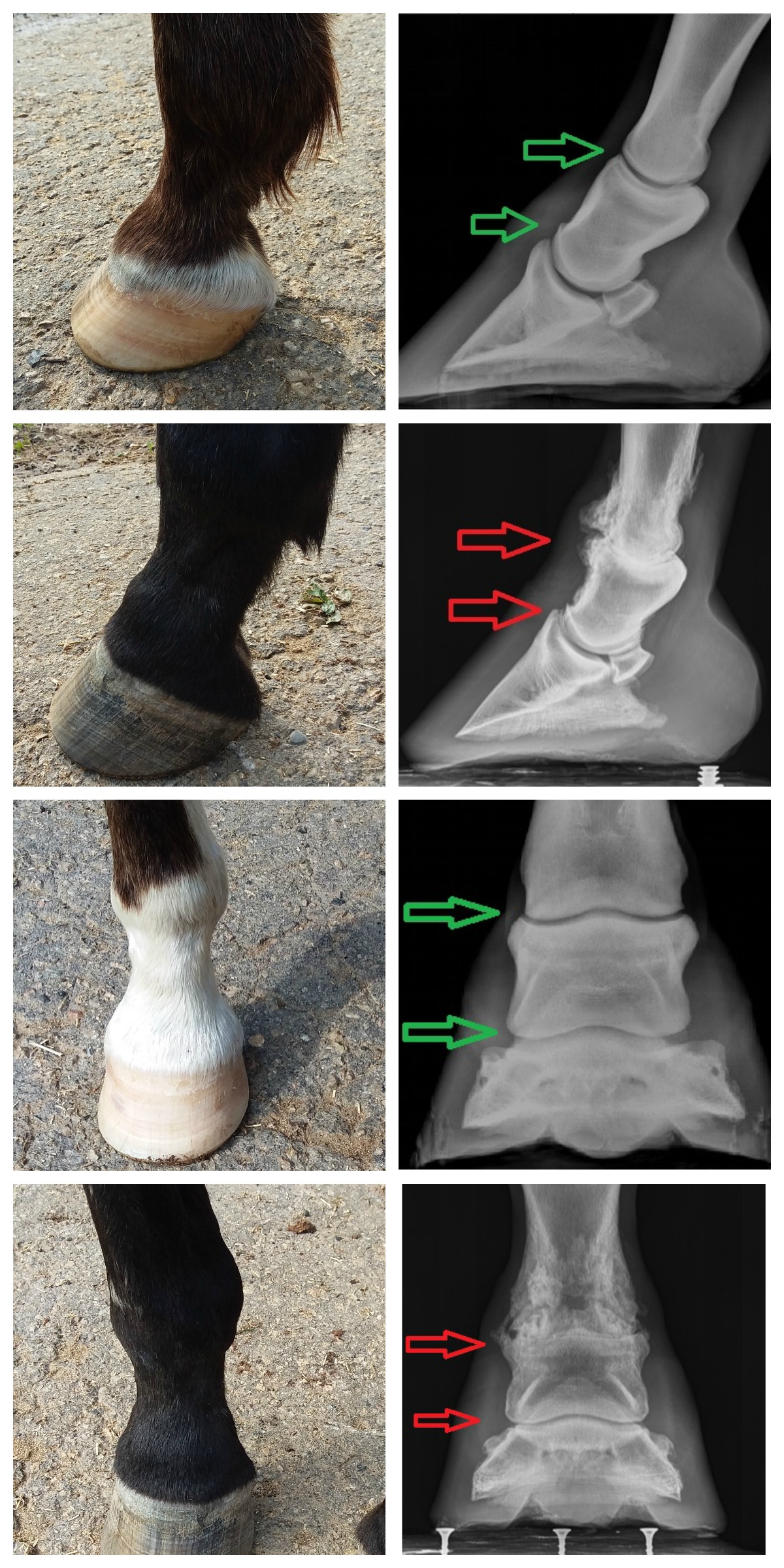
Credit: www.irongateequine.com
Causes And Types Of Ringbone
Ringbone is a common problem affecting a horse’s leg joints. It causes pain and stiffness. Knowing the causes and types helps in managing the condition better. Ringbone forms as extra bone grows near the joints. This growth limits movement and may cause lameness.
The condition mainly appears in two types. Each type affects a different part of the horse’s leg. Understanding the type guides the shoeing and treatment approach.
High Ringbone Vs Low Ringbone
High ringbone forms near the top of the pastern joint. It affects the area between the long and short pastern bones. This type often causes swelling just above the hoof.
Low ringbone occurs near the coffin joint. It is closer to the hoof itself. Low ringbone can cause swelling around the coronary band. This type may lead to more severe lameness.
Common Causes And Risk Factors
Ringbone usually develops from stress on the horse’s leg joints. Hard work on rough surfaces adds pressure to the joints. Poor hoof balance can also increase risk.
Injuries like bruises or fractures can trigger ringbone. Older horses with worn joints have higher chances. Genetics may play a small role in susceptibility.
Symptoms And Diagnosis
Recognizing the symptoms and diagnosing ringbone in a horse are crucial steps before shoeing. Ringbone affects the horse’s pastern or coffin joints. Early detection helps manage the condition better and reduce pain.
Identifying Ringbone Signs
Look for swelling around the pastern or coffin joint. The horse may show stiffness or lameness. Notice if the horse favors one leg or walks unevenly. The affected area might feel warm or tender to touch. Over time, bony growths may appear around the joint. The horse’s movement can become restricted and uncomfortable.
Diagnostic Techniques
Veterinarians use X-rays to see bone changes clearly. Palpation helps detect heat, swelling, or pain in joints. Sometimes, nerve blocks isolate the source of lameness. Ultrasound can check soft tissue around the joint. Early diagnosis allows for better treatment choices. Accurate diagnosis guides proper shoeing and care strategies.
Impact Of Ringbone On Hoof Health
Ringbone is a condition that affects the bones near a horse’s hoof. It causes changes that impact hoof health deeply. Understanding these effects helps in managing shoeing and care better.
The changes ringbone brings can alter the hoof’s shape and strength. These changes also affect how the horse moves and bears weight. Proper shoeing must consider these factors to reduce pain and improve comfort.
Changes In Hoof Structure
Ringbone causes new bone to form around joints near the hoof. This extra bone can change the hoof’s shape over time. The hoof wall may become uneven or cracked. The sole might also grow harder or thinner in some areas. These changes make the hoof less flexible and more prone to injury. Shoeing must support the hoof while avoiding pressure on sensitive spots.
Effects On Horse Movement
Ringbone limits joint movement and causes stiffness. The horse may walk with a shorter stride or uneven gait. It might put more weight on the healthy legs to avoid pain. This uneven movement can cause further hoof problems. Proper shoeing helps balance the load and reduce stress on the affected leg. It also improves the horse’s comfort and movement quality.
Shoe Selection For Ringbone Relief
Selecting the right shoe for a horse with ringbone is important. The shoe can help reduce pain and support the hoof. Proper shoeing eases pressure on affected joints. This can improve the horse’s comfort and movement. Choosing the correct shoe type and design is a key step in managing ringbone.
Types Of Therapeutic Shoes
Therapeutic shoes help protect the hoof and reduce stress. They come in many types. Rim shoes provide extra support around the hoof edge. Egg-bar shoes help stabilize the heel and spread weight evenly. Heart-bar shoes support the frog and relieve pressure on joints. Each type offers unique benefits for ringbone relief. The farrier will select the shoe based on the horse’s condition.
Materials And Design Considerations
Shoe materials affect comfort and durability. Steel shoes are strong and last long. Aluminum shoes are lighter and reduce hoof weight. Synthetic shoes offer shock absorption and flexibility. The shoe design should allow for proper hoof balance. It must avoid putting extra pressure on the ringbone area. Padding or wedges can help cushion the hoof. Good shoe fit prevents rubbing and discomfort. Attention to materials and design improves the horse’s healing.
Fitting Techniques For Therapeutic Shoes
Fitting therapeutic shoes for a horse with ringbone requires care and precision. The goal is to reduce pain and improve movement. Proper fitting helps protect the joint and supports healing. Each step in the fitting process matters.
Proper Trimming Methods
Start by trimming the hoof evenly. Remove excess hoof wall to balance the foot. Pay close attention to the toe and heel lengths. A balanced hoof reduces pressure on the ringbone area. Use a rasp to smooth sharp edges. Trim slowly and check the foot frequently.
Adjustments For Comfort And Support
Choose shoes that fit snugly but do not pinch. Padding can add comfort and protect sensitive areas. Use wedges or pads to shift weight away from the ringbone. Check for hot spots or soreness after shoeing. Adjust the shoe placement to improve comfort. Always test the horse’s movement after adjustments.

Credit: thehorse.com
Additional Treatments To Complement Shoeing
Shoeing helps support a horse with ringbone, but extra care can improve results. Using other treatments alongside shoeing can ease pain and slow damage. These treatments focus on healing and comfort. They help the horse move better and feel less stiff.
Medication And Supplements
Medications reduce inflammation and relieve pain in the affected joints. Non-steroidal anti-inflammatory drugs (NSAIDs) are often used to manage discomfort. Some vets may prescribe corticosteroids to reduce severe swelling. Supplements like glucosamine and chondroitin support joint health. These nutrients help rebuild cartilage and improve joint function. Omega-3 fatty acids also help reduce inflammation naturally.
Physical Therapy And Care
Physical therapy helps maintain joint flexibility and muscle strength. Controlled exercise, like walking or swimming, encourages gentle movement. Massage therapy can reduce muscle tightness and improve circulation. Cold therapy reduces swelling after exercise or shoeing. Keeping the horse’s stall clean and dry helps prevent infections. Regular hoof care and trimming support the shoeing work and overall hoof health.
Monitoring Progress And When To Reassess
Monitoring your horse’s progress after shoeing for ringbone is crucial. It helps ensure the treatment is working and the horse remains comfortable. Careful observation allows early detection of any problems. This way, you can act quickly to adjust care or shoeing methods.
Regular checks help you understand how your horse responds to the shoeing. Tracking changes in movement, pain, and hoof condition guides your next steps. Knowing when to reassess is important for the horse’s health and soundness.
Signs Of Improvement Or Worsening
Look for steady improvement in your horse’s gait and comfort. The horse should show less limping and more even weight on the hooves. Notice if the horse moves more freely and stands squarely.
Watch for signs of worsening like swelling, heat, or increased pain. Pay attention if the horse becomes reluctant to move or shows stiffness. Any new lameness or discomfort means it is time to reassess the shoeing and treatment plan.
Scheduling Follow-up Evaluations
Set regular follow-up visits with your farrier and veterinarian. These visits help check the hoof and shoe condition. They also allow professionals to examine your horse’s progress closely.
Follow-ups every 4 to 6 weeks are common. More frequent visits may be needed for severe ringbone cases. Use these evaluations to adjust shoes or treatments as needed. Keeping a schedule ensures your horse gets the best care.
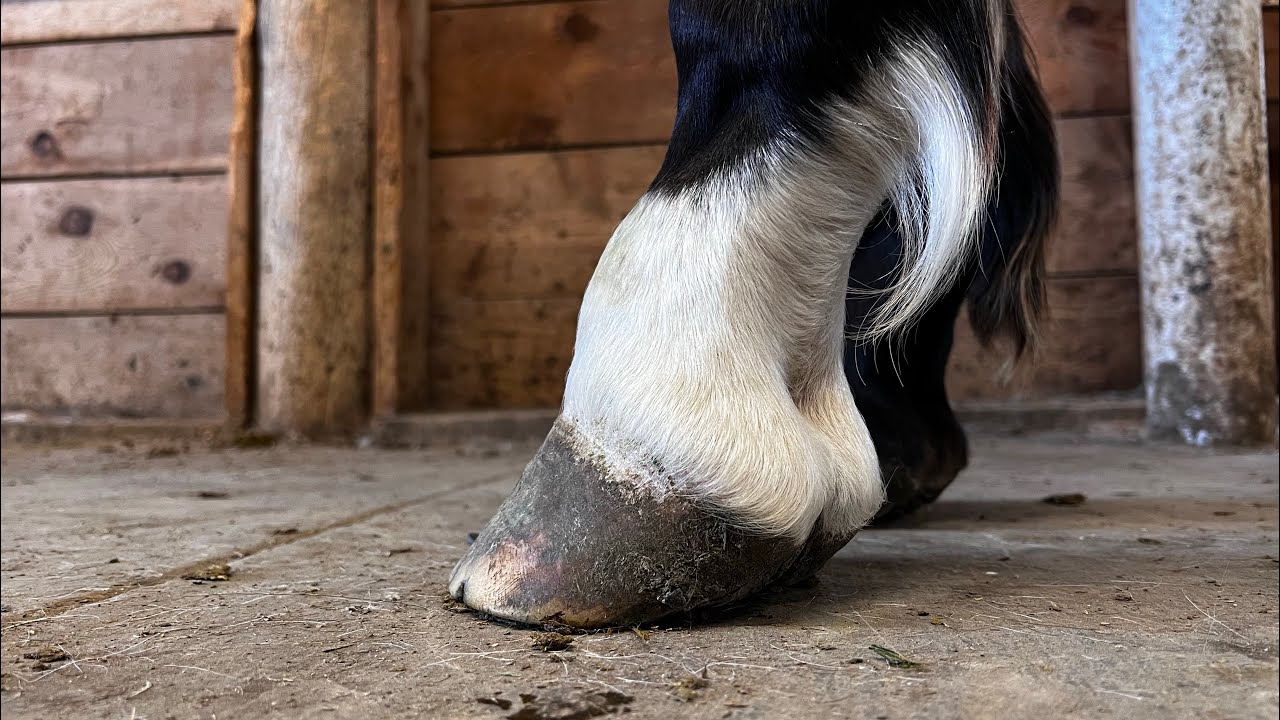
Credit: www.youtube.com
Frequently Asked Questions
What Is Ringbone In Horses?
Ringbone is a bony growth around a horse’s pastern or coffin joint. It causes stiffness and lameness. Shoeing helps reduce pressure and pain.
How Does Shoeing Help Horses With Ringbone?
Shoeing provides support and reduces joint stress. Specialized shoes stabilize the hoof and limit painful movement. This improves comfort and mobility.
What Type Of Shoe Is Best For Ringbone?
Shoes with extra heel support or pads work best. They cushion the hoof and prevent further joint damage. Consult a farrier for a custom fit.
How Often Should A Horse With Ringbone Be Reshod?
Typically, every 4 to 6 weeks. Regular shoeing maintains support and prevents worsening symptoms. Consistent care is vital for managing ringbone.
Conclusion
Shoeing a horse with ringbone takes patience and care. Proper shoeing helps reduce pain and supports healing. Always work closely with a vet and farrier. They know the best way to protect your horse’s hoof. Watch your horse carefully for changes or discomfort.
Good care can improve your horse’s comfort and movement. Keep learning and adjusting as needed. Your horse deserves the best support to stay happy and healthy.