How to Stop Shoes from Gapping on the Sides: Easy Fixes That Work
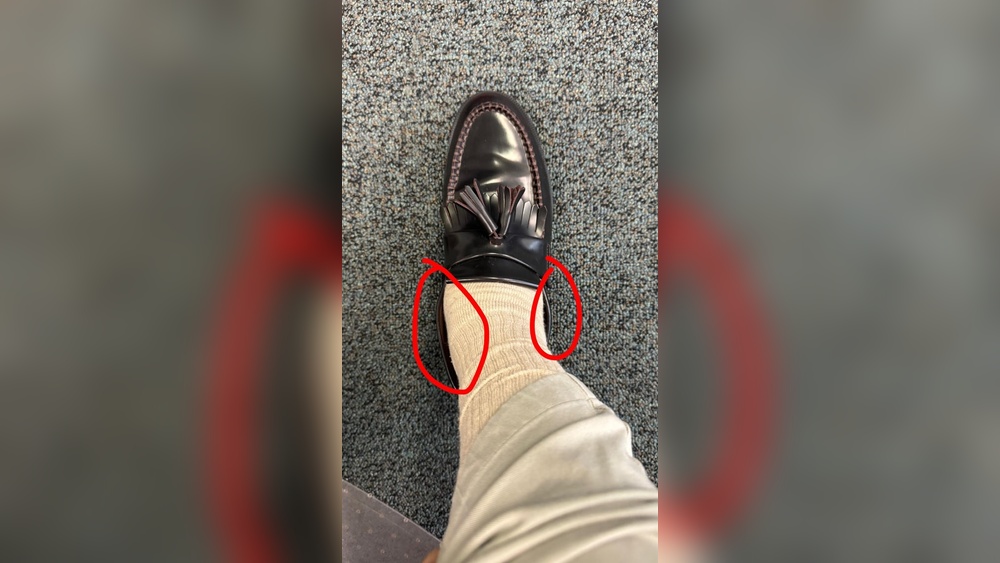
Are your shoes slipping and gapping on the sides every time you walk? It’s not just annoying—it can make your shoes feel uncomfortable and even ruin your look.
You’re probably wondering how to fix this problem quickly and easily. The good news is, you don’t have to give up on your favorite shoes or spend a fortune on new ones. You’ll discover simple, effective tricks to stop your shoes from gapping on the sides, so you can enjoy a snug, perfect fit every time you wear them.
Keep reading to find out how!
Causes Of Shoe Gapping
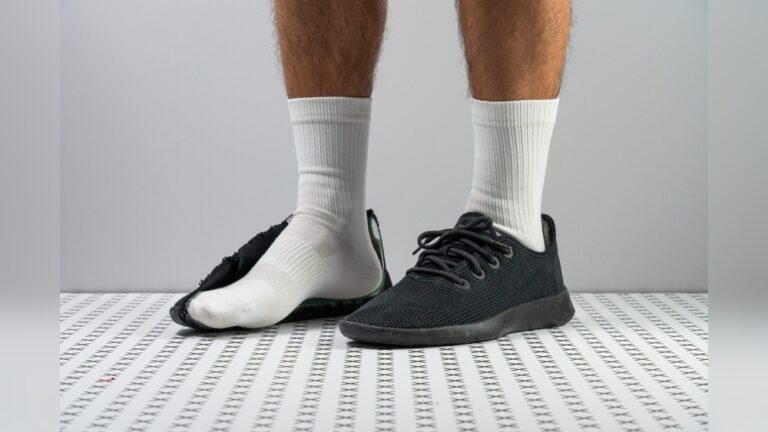
Shoe gapping on the sides is a common problem. It happens when shoes do not fit well or change shape over time. Understanding the causes helps prevent this issue. Below are the main reasons why shoes gap on the sides.
Improper Shoe Fit
Shoes that are too big or too wide often gap on the sides. A loose fit leaves empty space between your foot and the shoe. This space causes the sides to pull away from your foot. Choosing the right size is important to avoid gapping.
Material Stretching
Many shoes stretch after wearing them for some time. Soft materials like leather or fabric expand with use. This stretching can create gaps on the sides. Stretching changes the original shape of the shoe, leading to looseness.
Foot Shape And Size
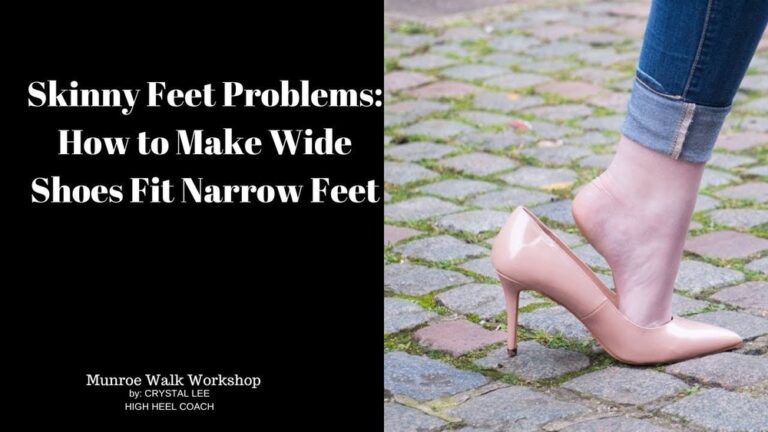
Every foot has a unique shape and size. Some feet are narrow, while others are wide or have high arches. Shoes not designed for your foot shape may not fit tightly. This mismatch causes gaps along the sides of the shoe.
Quick Home Fixes
Shoes that gap on the sides can feel loose and uncomfortable. Quick home fixes help you make shoes fit better fast. These methods use items you might already have. No special tools needed. Try these easy tips to stop shoes from gapping and enjoy a better fit.
Using Insoles For A Snug Fit
Insoles fill extra space inside your shoes. They add thickness and help shoes fit tighter. Choose thin insoles for small gaps. Use thicker ones for bigger gaps. Insoles also make shoes more comfortable to wear. Simply place them inside and check the fit. Adjust if needed by trimming the insole.
Applying Heel Grips
Heel grips stop your feet from slipping inside shoes. They stick to the back inside part of shoes. Heel grips add cushioning and reduce space around your heels. This prevents shoes from gapping on the sides. Peel off the backing and press firmly in place. Wear shoes for a few minutes to secure them well.
Adding Tongue Pads
Tongue pads go under the shoe’s tongue. They push your foot back and fill empty space. This helps close gaps on the shoe sides. Tongue pads are soft and thin for comfort. Peel and stick them on the tongue’s underside. Adjust placement until your shoes feel snug but not tight.
Adjusting Shoe Laces
Shoe gaps on the sides cause discomfort and make shoes look loose. Adjusting the laces can fix this problem easily. Proper lacing pulls the shoe tight and keeps it close to your foot. This helps stop gaps from forming. You do not need special tools or skills. Simple changes in lacing style can make a big difference.
Lacing Techniques To Reduce Gaps
Try different lacing patterns to tighten shoes better. The “runner’s loop” adds extra grip near the ankle. It stops your foot from sliding inside the shoe. Another method is skipping eyelets to focus tightness where gaps appear. Use even tension across the laces for balanced pressure. Avoid tying too loose or too tight. Find a middle ground that feels snug but comfortable.
Using Elastic Laces
Elastic laces stretch and adjust with your foot movement. They keep shoes snug without constant retying. These laces adapt to foot swelling during the day. Elastic laces reduce pressure points and stop gaps from opening. They are easy to install and fit most shoes. Choose elastic laces for a simple, flexible solution to gapping.

Credit: www.reddit.com
Diy Shoe Modifications
DIY shoe modifications help fix gaps on shoe sides without buying new shoes. Small changes inside the shoe can make a big difference. These tips save money and keep shoes comfortable. You can do these fixes at home with simple tools.
Sewing Inserts Inside Shoes
Sew small fabric inserts inside the sides of your shoes. Use soft material like felt or foam. Cut the fabric to fit the gap size. Sew the inserts carefully to avoid damage. This fills empty space and tightens the fit. It also stops your foot from sliding around. Sewing inserts is a low-cost and effective way to stop gaps.
Using Shoe Stretchers Strategically
Shoe stretchers adjust shoe shape and size. Use a stretcher designed for side gaps. Place it inside the shoe and turn the knob slowly. This pushes the sides outward to fill space. Leave the stretcher in for several hours. Repeat if needed for better results. Stretchers help make shoes fit better without hurting them. They are easy tools for fixing shoe gaps.
When To Seek Professional Help
Some shoe problems need expert care. Gapping on the sides may show a fit issue or shoe damage. Trying to fix it alone might not work. Knowing when to seek professional help saves time and effort. Professionals offer solutions that suit your feet and shoes.
Consulting A Cobbler
A cobbler knows shoes well. They can adjust your shoes for a better fit. Stretching or tightening the sides is possible. They may add padding inside to reduce gaps. Cobblers repair worn parts that cause gapping. Visit one if home fixes fail or shoes feel uncomfortable.
Custom Orthotics Options
Custom orthotics are shoe inserts made for your feet. They support foot shape and improve shoe fit. Orthotics fill space inside shoes to stop gaps. They also relieve pressure and prevent slipping. A podiatrist or specialist creates orthotics after a foot exam. Consider this option for persistent gapping or foot pain.

Credit: www.reddit.com
Preventing Future Gapping
Preventing shoe gapping on the sides starts with good habits. Taking steps before problems begin saves time and money. Proper care and smart choices keep shoes fitting well longer. Here are key tips to avoid gapping in the future.
Choosing The Right Shoe Size
Select shoes that fit your feet exactly. Shoes too big cause gaps on the sides. Try shoes on both feet and walk around. Feet can be different sizes, so choose the larger size. Avoid guessing your shoe size. Measure your feet regularly. This helps find the perfect fit and prevents gapping.
Breaking In Shoes Properly
New shoes need time to shape to your feet. Wear them for short periods at first. Gradually increase the time you wear them. Use thick socks to stretch tight areas gently. Avoid forcing shoes on quickly. This causes damage and more gapping. Proper break-in makes shoes softer and fits better.
Selecting Suitable Shoe Materials
Soft and flexible materials adapt better to your feet. Leather and fabric can stretch and mold with wear. Hard plastics and stiff synthetics do not. Choose shoes made with breathable materials. These reduce pressure and help shoes fit snugly. Better materials lower the chance of gaps forming.

Credit: www.reddit.com
Frequently Asked Questions
Why Do Shoes Gap On The Sides?
Shoes gap due to improper fit or design. Narrow feet or loose laces cause side gaps. Materials with low flexibility can also contribute to this issue.
How Can I Fix Gapping Shoes At Home?
Use tongue pads or heel grips to fill gaps. Tighten laces properly and try thicker socks. Shoe inserts can also improve fit and reduce side gaps.
Does Shoe Size Affect Side Gapping?
Yes, wearing shoes too large causes side gaps. Choosing the correct size ensures a snug fit. Always measure feet before buying new shoes.
Can Shoe Stretchers Help Stop Side Gaps?
Shoe stretchers can adjust width and shape. They help if shoes are too tight. However, they may not fix gapping caused by loose laces or poor design.
Conclusion
Stopping shoes from gapping on the sides is easy with small fixes. Try adjusting laces or adding inserts for a snug fit. Wearing thicker socks can also help fill extra space. Regularly checking shoe size ensures comfort and style. These simple tips keep your shoes fitting well and feeling good all day.
Enjoy your shoes without gaps or discomfort.