How to Treat Shoes for Bed Bugs: Effective and Easy Methods
Are you worried that your shoes might be carrying bed bugs into your home? It’s a common problem that can cause sleepless nights and endless frustration.
But don’t panic—you can take simple, effective steps to treat your shoes and stop these pests in their tracks. You’ll discover easy methods that protect your shoes without damaging them. Keep reading to learn how to safeguard your home and get peace of mind back fast.
Identifying Bed Bug Infestation In Shoes
Bed bugs can hide in many places, including your shoes. Identifying their presence early helps stop the spread. Shoes often go unnoticed but can carry these pests into your home. Knowing how to spot signs of bed bugs in shoes is important. This section explains the common signs and how to check shoes carefully for infestation.
Common Signs Of Bed Bugs
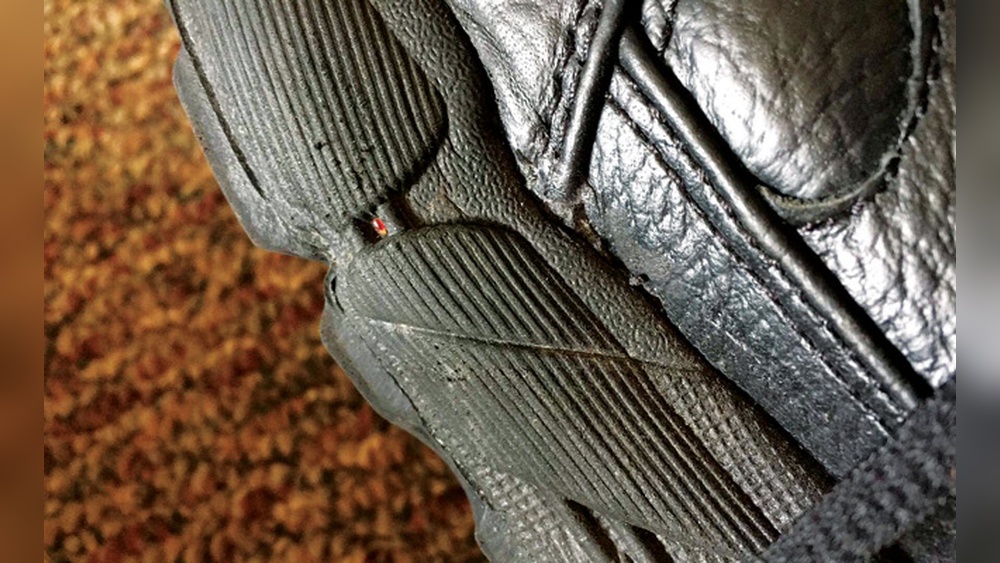
Look for small, dark spots on shoes. These spots are bed bug droppings. You may also see tiny blood stains from crushed bugs. A musty, sweet smell can mean bed bugs are nearby. Check for shed skins or eggs around shoe seams. Bed bugs leave behind these clues as they grow.
Inspecting Shoes Thoroughly
Start by removing insoles and laces. Check inside the shoe folds and seams carefully. Use a flashlight to see dark corners clearly. Tap shoes gently to hear if bugs move inside. Pay attention to hidden areas like the heel and tongue. Use a magnifying glass for a close look at small signs.

Credit: discreetbedbuginspections.com
Preparing Shoes For Treatment
Preparing shoes for bed bug treatment is a crucial step. It ensures the treatment reaches all hiding spots. Proper preparation increases the chance of killing bed bugs effectively. Follow simple steps to get your shoes ready for treatment.
Cleaning And Drying Shoes
Start by cleaning your shoes thoroughly. Remove dirt and debris from the surface. Use a soft brush or cloth for cleaning. Avoid soaking shoes in water to prevent damage. After cleaning, let shoes dry completely. Dry shoes in a warm, ventilated area. Wet shoes may not respond well to treatment.
Removing Insoles And Laces
Take out insoles and laces from your shoes. Bed bugs often hide under insoles and inside laces. Treat these parts separately for better results. Cleaning insoles and laces prevents bed bugs from escaping. Keep these parts dry before applying any treatment.
Heat Treatment Techniques
Heat treatment is a simple and effective way to kill bed bugs hiding in your shoes. Bed bugs cannot survive high temperatures. Using heat can stop their spread without harsh chemicals. This section explains safe heat methods you can try at home.
Using A Clothes Dryer Safely
Put your shoes in a dryer bag or pillowcase. Set the dryer to low or medium heat. Run it for 30 minutes to kill bed bugs and eggs. Avoid high heat to prevent shoe damage. Check shoes after drying to ensure they are not too hot.
Applying Heat With A Hair Dryer
Use a hair dryer on the hot setting. Hold it close to the shoe surface but not too near. Move it around to cover all shoe areas. Heat each part for at least 5 minutes. This method works well for shoes that can’t go in the dryer.
Sun Exposure Method
Place your shoes outside in direct sunlight. The sun’s heat can raise temperatures enough to kill bed bugs. Leave shoes out for 3 to 4 hours. Avoid placing shoes on wet or damp surfaces. Check shoes often to prevent color fading or damage.
Cold Treatment Options
Cold treatment is a safe way to kill bed bugs hiding in shoes. Bed bugs cannot survive extreme cold. This method does not harm your shoes. It is a good choice for delicate materials. Cold treatment can be done at home with a freezer.
Freezing Shoes Effectively
Place shoes in a sealed plastic bag. This stops moisture damage. Put the bag flat in the freezer. Avoid stacking heavy items on top. The cold must reach all parts of the shoe. Remove shoes carefully after treatment to prevent bugs escaping.
Duration And Temperature Guidelines
Set the freezer to at least 0°F (-18°C). Keep shoes inside for 4 to 7 days. This time kills all bed bugs and their eggs. Shorter times may not work well. Check the temperature with a thermometer for accuracy. Patience is key for success.
Chemical Treatments For Shoes
Chemical treatments can help get rid of bed bugs in shoes. These treatments kill bugs hiding in small cracks and seams. Using the right chemicals keeps shoes safe and clean. Careful use prevents damage to the shoe material. Follow instructions to treat shoes properly and avoid health risks.
Choosing Safe Insecticides
Select insecticides labeled safe for fabrics and shoes. Avoid harsh chemicals that may ruin leather or fabric. Pyrethrin-based sprays often work well for shoes. Look for products targeting bed bugs specifically. Always read the label for safety instructions and precautions. Choose sprays or powders with low toxicity for humans and pets.
Applying Sprays And Powders
Spray shoes lightly, focusing on seams and soles. Do not soak shoes; moisture can damage them. Allow shoes to dry completely before wearing. For powders, sprinkle a thin layer inside and outside shoes. Use a brush to spread powder evenly. Remove excess powder after 24 hours to avoid buildup. Repeat treatment after a week for best results.
Non-chemical Bed Bug Killers
Non-chemical bed bug killers offer safe ways to treat shoes without harsh chemicals. They work by targeting bed bugs physically or by using natural substances. These methods suit people sensitive to chemicals or those wanting eco-friendly options. Using these killers helps protect shoes and reduces bed bug risks effectively.
Using Diatomaceous Earth
Diatomaceous earth is a natural powder made from fossilized algae. It kills bed bugs by drying out their outer shells. Sprinkle a thin layer inside and outside your shoes. Leave it for several days to ensure all bugs are affected. After treatment, shake off the powder before wearing the shoes. This method is safe and does not leave harmful residues.
Essential Oils As Natural Repellents
Essential oils like tea tree, lavender, and eucalyptus repel bed bugs naturally. Mix a few drops with water in a spray bottle. Lightly spray the inside of your shoes, avoiding soaking them. The strong scent keeps bed bugs away and helps prevent new infestations. Repeat the spraying every few days for better results. These oils add a fresh smell to shoes too.
Preventing Future Infestations
Preventing future bed bug infestations in your shoes is key to keeping your home safe. Bed bugs often hide in dark, warm places, like inside shoes. Taking steps to store and check your shoes can stop bugs from spreading. Simple habits make a big difference.
Storing Shoes Properly
Keep shoes in sealed plastic bags or containers. Clear boxes help you see inside without opening. Store shoes in cool, dry areas away from beds and furniture. Avoid piling shoes on top of each other. Use shoe racks or shelves to keep them organized. Good storage stops bugs from finding new hiding spots.
Regular Inspection And Maintenance
Check shoes often for signs of bed bugs. Look for small dark spots or bugs themselves. Shake shoes outside to remove any bugs or eggs. Clean shoes with a soft brush or cloth regularly. Heat treatment can kill bed bugs—consider using a clothes dryer if safe for the shoes. Early detection helps prevent a full infestation.

Credit: www.cowleys.com
When To Seek Professional Help
Dealing with bed bugs in shoes can be tough. Sometimes, home methods do not fully get rid of these pests. Knowing when to get professional help is important. Experts have tools and knowledge to handle severe infestations safely and effectively.
Signs You Need Expert Treatment
Small bites on your skin after wearing shoes might signal bed bugs. Finding live bugs or their dark spots inside shoes shows an active problem. Persistent smell or seeing bugs after cleaning means the problem is serious. If bed bugs spread to other parts of your home, call a professional immediately. Multiple attempts to treat shoes at home without success also require expert help.
Choosing A Pest Control Service
Pick a pest control company with experience in bed bug removal. Check reviews and ask about their treatment methods. Ensure they use safe, approved products for shoes and clothing. Confirm they offer follow-up visits to ensure complete elimination. Compare prices but prioritize quality and safety over cost. Clear communication and quick response are signs of a good service.

Credit: www.cowleys.com
Frequently Asked Questions
How Can I Disinfect Shoes From Bed Bugs Effectively?
To disinfect shoes, use heat treatment like a dryer on low heat or place shoes in sealed bags with heat packs. Avoid moisture to prevent damage. Regularly inspect shoes and treat them after exposure to infested areas to stop bed bugs from spreading.
Are Chemical Sprays Safe For Treating Bed Bugs In Shoes?
Some chemical sprays are safe for shoes but always check labels. Use sprays designed for fabric and avoid over-saturating. Test on a small area first to prevent damage. Always follow safety instructions to avoid health risks while eliminating bed bugs.
Can Freezing Shoes Kill Bed Bugs Inside Them?
Yes, freezing shoes at 0°F (-18°C) for at least 4 days kills bed bugs. Place shoes in sealed plastic bags before freezing. This method is safe for most shoe materials and avoids chemical use, making it an effective option for bed bug treatment.
How Often Should I Treat Shoes To Prevent Bed Bugs?
Treat shoes after each visit to infested places or if you suspect bed bugs. Regularly inspect and clean shoes weekly during infestations. Consistent treatment helps prevent bed bug spread and protects your home from new invasions.
Conclusion
Treating shoes for bed bugs helps stop their spread. Clean shoes carefully and use heat or cold methods. Check shoes often to catch bugs early. Keep shoes away from infested areas. Small steps make a big difference. Stay patient and consistent with treatment.
Shoes can stay safe and bug-free with care. Taking action now protects your home later. Keep your living space comfortable and clean. Simple habits stop bed bugs from coming back.