Are Converse Non Slip Shoes for Restaurants: Ultimate Safety Guide
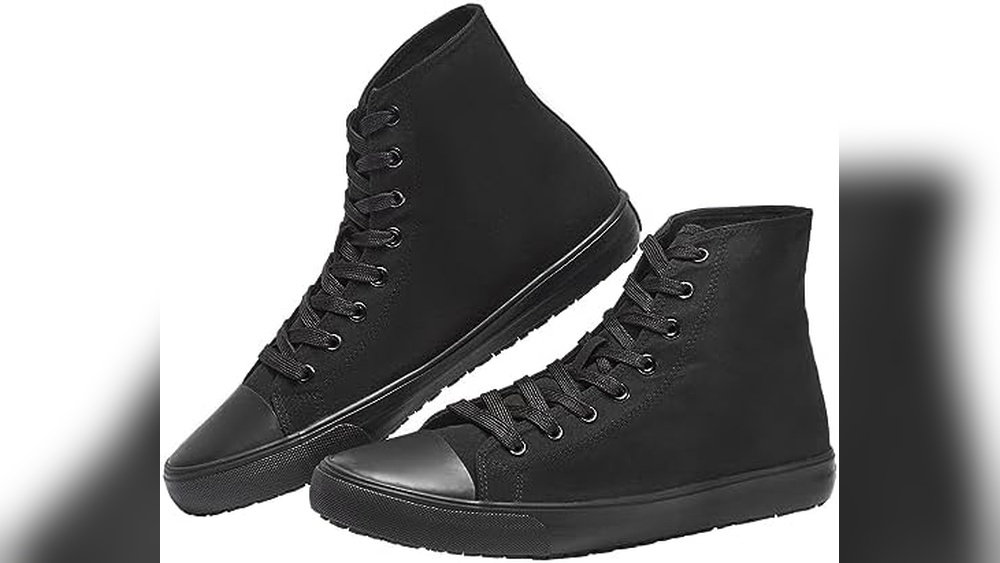
Are you working in a busy restaurant and wondering if your Converse shoes can keep you safe on slippery floors? Choosing the right footwear is crucial when you’re on your feet all day, especially in a fast-paced kitchen or dining area.
You need shoes that not only look good but also prevent slips and falls. You’ll discover whether Converse shoes offer the non-slip grip you need to stay steady and comfortable during those long shifts. Keep reading to find out if your favorite sneakers are up to the task or if it’s time to look for something better suited to your workplace.
Converse Shoes And Slip Resistance
Converse shoes have a classic style many people love. But are they safe for restaurant work? Slip resistance matters a lot in busy kitchens. Workers need shoes that prevent falls on wet floors. Let’s explore how Converse shoes handle slip resistance.
Materials And Sole Design
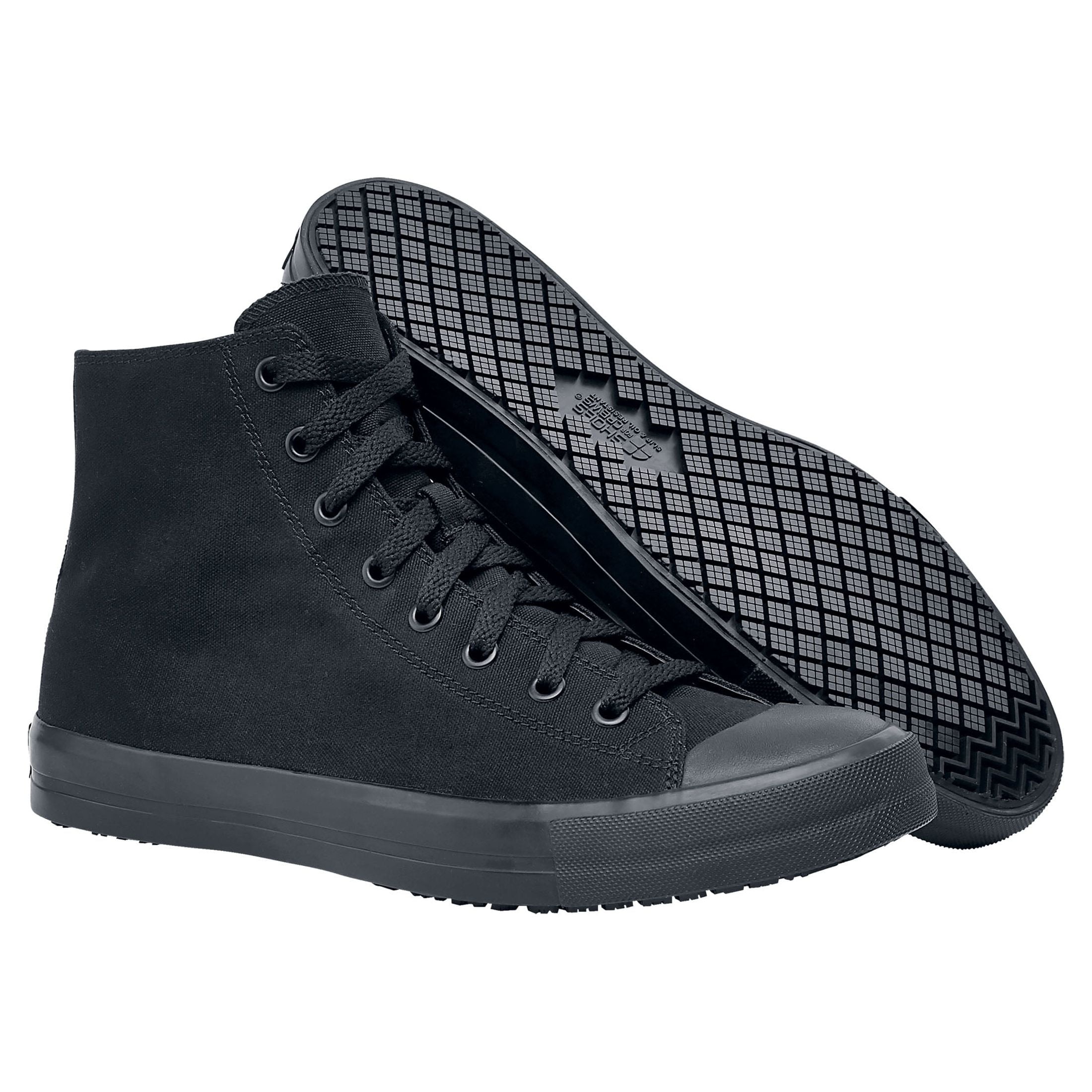
Converse shoes mostly use canvas for the upper part. Canvas is light but not waterproof. The sole is usually rubber. Rubber helps with grip but depends on the tread pattern. Converse soles have a flat design with a diamond pattern. This pattern offers some traction but may not be enough for slippery surfaces in restaurants.
Grip Performance On Wet Surfaces
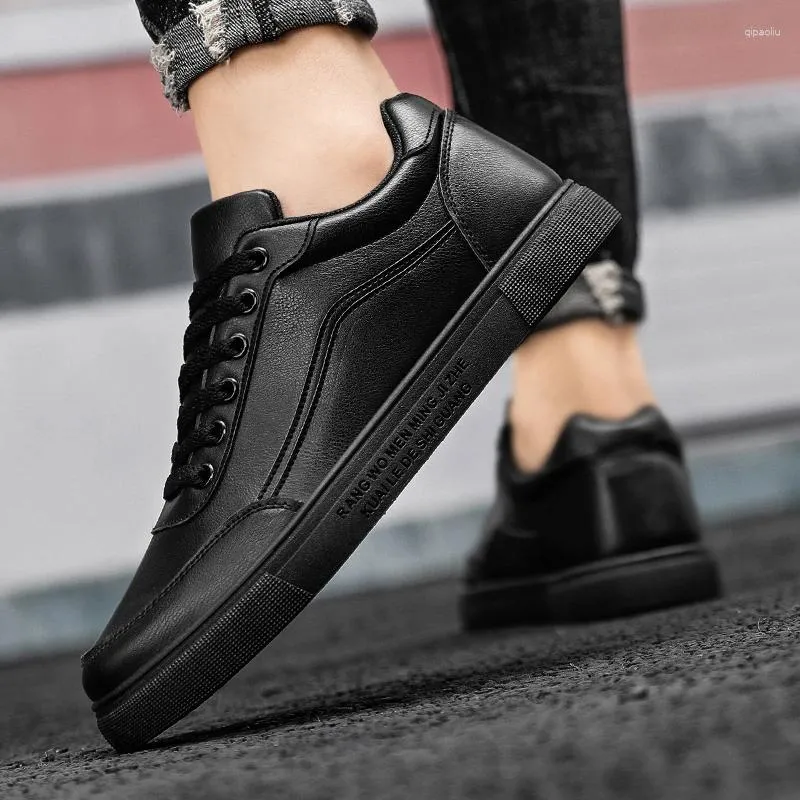
On wet floors, Converse shoes can be less reliable. The flat sole can slip on water or grease. They lack special slip-resistant technology found in work shoes. For short times or dry areas, they work fine. For long hours in a busy kitchen, better slip resistance is safer.
Credit: garinfobahn.com
Slip Risks In Restaurant Environments
Working in a restaurant means facing many slip risks daily. Wet floors, spilled liquids, and greasy surfaces make kitchens dangerous. Staff must stay alert to avoid accidents that cause injuries.
Choosing the right shoes can help reduce these risks. Understanding kitchen hazards and floor types is key to picking safe footwear.
Common Kitchen Hazards
Spills from water, oil, and food happen often. These create slippery spots on the floor. Grease buildup near cooking areas makes floors slick. Hot liquids can cause sudden falls if spilled. Dropped utensils or broken glass add to the danger. Staff walk fast, increasing chances of slipping. Moving quickly while carrying heavy loads raises risks too.
Floor Types And Their Challenges
Restaurant floors vary in material and texture. Tile floors are popular but can be very slippery when wet. Concrete floors are durable but may become slick from spills. Vinyl floors are easier to clean but might lack traction. Some kitchens have mats that help but can shift or curl. Each floor type needs shoes with good grip to prevent falls.
Testing Converse For Restaurant Use
Testing Converse shoes for restaurant use is important. Kitchens and dining areas can be slippery. Shoes need to protect workers from falls. We checked how well Converse shoes perform in such places. Safety and comfort are key for restaurant staff. Here is what we found in our tests and reviews.
Industry Slip Resistance Standards
Restaurants require shoes that meet slip resistance rules. These rules test shoes on wet and oily floors. Shoes must pass tests to be safe in kitchens. Converse shoes do not always meet these strict standards. Some models have grip, but not all are made for restaurants. It is best to check if the specific Converse shoe is rated for slip resistance.
Real-world User Experiences
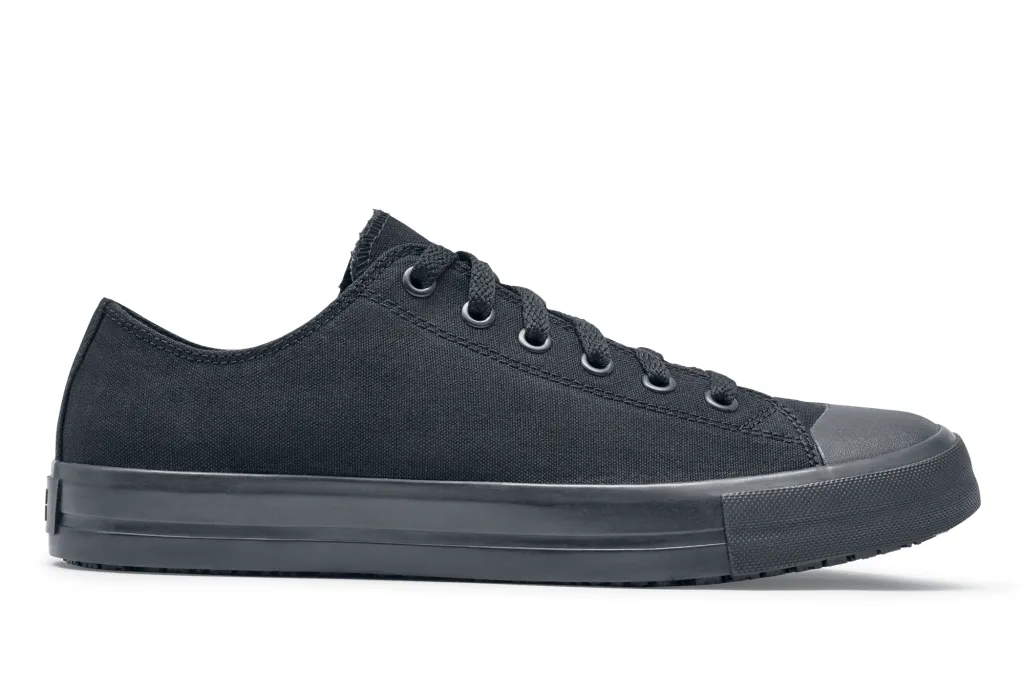
Many restaurant workers shared their thoughts on Converse shoes. Some say the shoes are comfortable for long hours. Others mention slipping on wet spots or grease. Comfort is good, but safety can be a concern. Users suggest using shoe grips or covers with Converse for extra slip protection. Real feedback shows Converse can work, but with caution.
Credit: www.shoesforcrews.com
Alternatives To Converse For Safety
Converse shoes are popular for casual wear but may not offer the best safety for restaurant workers. Slip resistance is crucial in kitchens and dining areas. Finding the right footwear can prevent accidents and injuries. Several alternatives provide better grip and protection.
Certified Non-slip Brands
Some brands focus on safety and hold certifications for non-slip soles. Shoes from Skechers Work, Crocs Specialist, and Dansko offer strong slip resistance. These brands test their shoes on wet and oily surfaces. They meet industry standards for restaurant safety footwear. Wearing certified shoes reduces the risk of slipping and falling during work.
Features To Look For
Choose shoes with rubber soles that have deep treads. These provide better traction on slippery floors. Look for shoes with slip-resistant ratings like ASTM or OSHA. Closed-toe designs protect feet from hot spills and sharp objects. Lightweight and breathable shoes improve comfort during long shifts. Supportive insoles reduce foot fatigue and pain. These features make shoes safer and more comfortable for restaurant work.
Maintaining Shoe Safety In Restaurants
Working in a restaurant means being on your feet all day. Safety is very important. Shoes must protect you from slips and falls. Keeping your shoes safe also means taking care of them. Clean, well-maintained shoes help prevent accidents. Knowing when to replace shoes keeps you steady and comfortable.
Proper shoe care helps keep their non-slip features strong. Worn-out shoes can become risky. It is smart to check your shoes often. Small steps keep you safe during busy shifts.
Proper Cleaning And Care
Clean your shoes after every shift. Dirt and grease make soles slippery. Use a soft brush to remove debris. Wipe the shoes with a damp cloth. Let them dry naturally, away from heat. Avoid soaking shoes in water. Use mild soap if needed. This keeps the material strong. Regular care helps the shoes last longer.
When To Replace Shoes
Check the soles for wear and tear. If the tread is smooth, replace the shoes. Cracks or holes also mean it is time. Notice if shoes feel less comfortable. Worn shoes can cause foot pain. Replace shoes every 6 to 12 months. Frequent use in a restaurant wears shoes faster. New shoes keep your footing steady and safe.
Credit: netpos.com.ng
Frequently Asked Questions
Are Converse Shoes Slip-resistant For Restaurant Work?
Converse shoes are not specifically designed as slip-resistant. They lack specialized soles for wet or greasy surfaces common in restaurants. For safety, it’s better to choose shoes labeled as non-slip or slip-resistant for restaurant environments.
Can Converse Shoes Prevent Slips In Kitchens?
Converse shoes offer limited slip protection. Their flat rubber soles provide some grip but do not meet commercial kitchen safety standards. Slip-resistant shoes with tread patterns designed for oily floors are safer in kitchen settings.
Are Converse Shoes Suitable For Long Restaurant Shifts?
Converse shoes provide moderate comfort but lack cushioning for long shifts. They are not made for extended standing or walking on hard surfaces. Shoes with ergonomic support and slip resistance are better for restaurant work.
Do Converse Shoes Meet Restaurant Safety Requirements?
Most restaurants require shoes with certified slip-resistant soles. Converse shoes generally do not meet these safety standards. Employers typically prefer footwear specifically designed for workplace safety in food service.
Conclusion
Converse shoes offer style and comfort for restaurant workers. Their grip may help but might not fully prevent slips. Kitchen floors can be very slippery and need strong traction. It’s smart to choose shoes made specifically for non-slip safety. Comfort and safety both matter during long shifts.
Think about your work needs before buying shoes. Safe shoes help avoid accidents and keep you steady. Choose wisely for a safer, more comfortable workday.