Alloy Toe Vs Composite Shoes: Ultimate Safety & Comfort Showdown
When it comes to protecting your feet at work, choosing the right safety shoe can make all the difference. You might be wondering whether alloy toe or composite shoes are better for your needs.
Both have their strengths, but which one fits your job, comfort, and safety requirements best? You’ll discover the key differences between alloy toe and composite shoes, so you can make a smart choice that keeps you safe and comfortable all day long.
Keep reading to find out which option suits you perfectly.
Material Comparison
Choosing the right safety shoes depends heavily on the materials used in their toe caps. Alloy toe and composite toe shoes both offer protection but differ in composition. Understanding their materials helps pick shoes suited for specific needs, work environments, and comfort preferences. This section compares the core materials of alloy and composite toe shoes to highlight their strengths and drawbacks.
Alloy Toe Composition
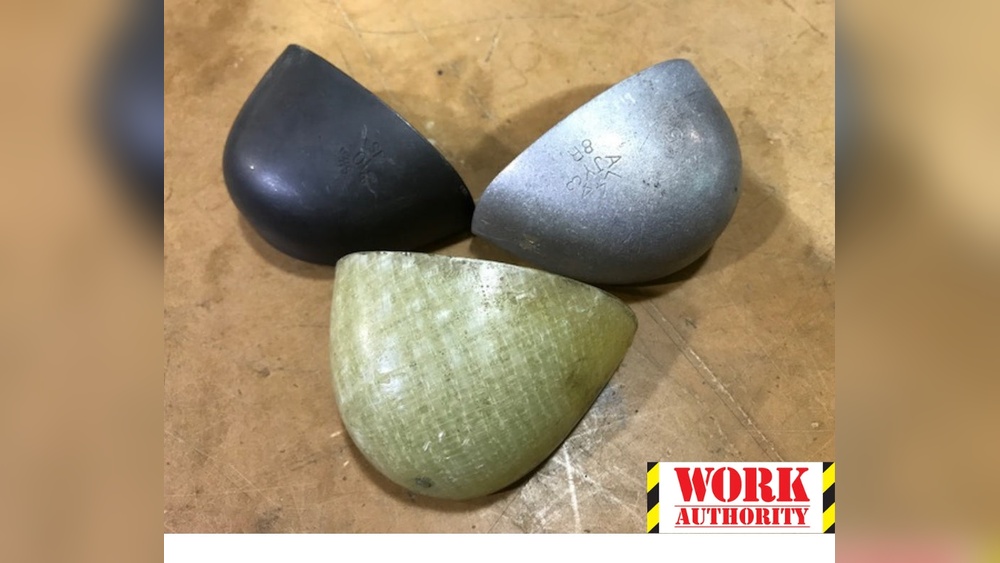
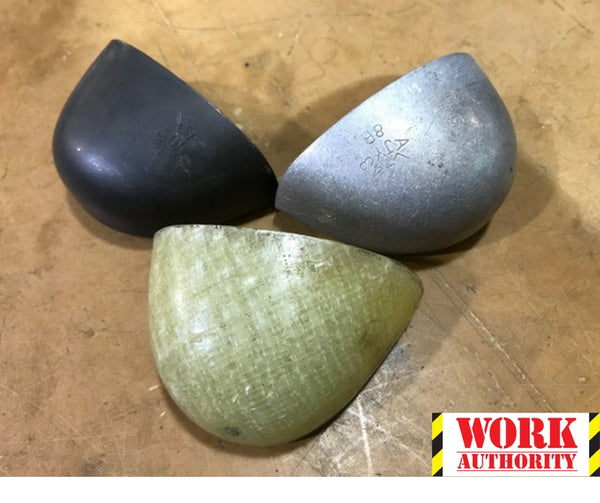
Alloy toe caps are made from a mix of lightweight metals. These metals often include aluminum, titanium, or steel alloys. The goal is to keep the toe cap strong but lighter than traditional steel toes.
Key features of alloy toe composition:
- Metal blend: Usually aluminum combined with other metals for added strength
- Lightweight: Lighter than steel but still offers good impact protection
- Durability: Resistant to corrosion and wear over time
- Conductivity: Metal conducts heat and electricity, which may affect comfort and safety in some jobs
The table below compares alloy toe caps with steel toes for basic material traits:
| Feature | Alloy Toe | Steel Toe |
|---|---|---|
| Weight | Lightweight | Heavier |
| Strength | Strong but slightly less than steel | Very strong |
| Corrosion Resistance | Good | Moderate |
| Conductivity | Conducts heat and electricity | Conducts heat and electricity |
Alloy toes suit workers who need protection without extra weight. The metal nature means they may feel colder or hotter in extreme weather. They are ideal for construction or industrial settings where impact resistance is crucial.
Composite Toe Composition
Composite toe caps use non-metal materials like Kevlar, carbon fiber, plastic, or fiberglass. These materials combine to create strong, lightweight toe protection without metal.
Main traits of composite toe caps include:
- Non-metallic materials: Made from layered fibers or molded plastics
- Lightweight and flexible: Usually lighter than alloy and steel toes
- Non-conductive: Do not conduct heat or electricity, safer in certain work environments
- Weather resistant: No rust or corrosion, better for wet or damp conditions
Composite toes may offer less impact strength than metal but still meet safety standards. They are perfect for jobs in electrical work or areas with metal detectors, such as airports.
The table below summarizes composite toe materials and benefits:
| Material | Benefits | Considerations |
|---|---|---|
| Kevlar | High strength, heat resistant | More expensive |
| Carbon fiber | Very lightweight, strong | Less flexible |
| Plastic/Fiberglass | Cost-effective, non-conductive | Can be bulkier |
Composite toes provide a good balance between protection and comfort. No metal means lighter shoes that do not trigger metal detectors or conduct electricity. Ideal for jobs requiring electrical safety and comfort during long wear.

Credit: www.anbusafety.com
Weight Differences
Weight Differences play a major role in choosing between Alloy Toe and Composite Shoes. The weight affects comfort, fatigue, and overall work performance. Shoes that are too heavy can cause tired feet and slow down movement. Lighter shoes help workers stay active and less tired throughout the day.
Weight Of Alloy Toe Shoes
Alloy toe shoes have a metal toe cap made from materials like aluminum or steel. These metals are lighter than steel but still add some weight to the shoe. Alloy toe shoes are generally heavier than composite shoes but lighter than traditional steel toe shoes.
- Weight range: around 3 to 4 pounds per pair
- Metal adds strength but also adds weight
- Durable and protects against heavy impacts
Weight Of Composite Toe Shoes
Composite toe shoes use materials like carbon fiber, plastic, or Kevlar for the toe cap. These materials are very light but still strong. Composite toe shoes are usually lighter than alloy toe shoes, making them a good choice for long work hours.
- Weight range: around 2 to 3 pounds per pair
- Non-metallic, so lighter and non-conductive
- Comfortable for extended wear
Weight Comparison Table
| Shoe Type | Material | Weight Per Pair | Key Benefit |
|---|---|---|---|
| Alloy Toe Shoes | Aluminum or Metal Alloy | 3 to 4 pounds | Strong protection with moderate weight |
| Composite Toe Shoes | Carbon Fiber, Plastic, Kevlar | 2 to 3 pounds | Lighter and more comfortable for long wear |
Safety Features
Choosing between alloy toe and composite shoes means understanding their safety features. Both types protect feet from workplace hazards but do so differently. Safety features like impact resistance and electrical hazard protection play a key role in deciding which shoe fits your needs. This section explains these features clearly to help you make a smart choice.
Impact Resistance
Impact resistance means the shoe can protect your toes from heavy objects or sudden drops. Alloy toe shoes use a metal cap, usually aluminum or steel, which offers strong protection against impacts.
Composite shoes use non-metal materials such as Kevlar, carbon fiber, or plastic to absorb and spread impact force. These materials often weigh less than metal.
- Alloy Toe: Can handle very high impact forces. Best for environments with heavy machinery.
- Composite Toe: Provides good impact protection but slightly less than alloy. Suitable for lighter industrial work.
Here is a quick comparison:
| Feature | Alloy Toe | Composite Toe |
|---|---|---|
| Material | Metal (Aluminum/Steel) | Non-metal (Kevlar, Carbon Fiber, Plastic) |
| Weight | Heavier | Lighter |
| Impact Protection | Very High | High |
| Best Use | Heavy Industry, Construction | Light Industry, Electrical Work |
Impact resistance ensures your feet stay safe from injuries caused by falling or rolling objects. Choose alloy toes for maximum protection or composite toes for lighter, comfortable safety.
Electrical Hazard Protection
Electrical hazard (EH) protection means the shoe can reduce the risk of electric shock. This feature matters a lot for electricians, utility workers, and others working near live wires.
Composite toe shoes naturally provide better electrical insulation because they use non-metal materials. Alloy toes are metal and may conduct electricity unless specially treated.
- Composite Toe Shoes: Usually offer full electrical hazard protection since no metal touches the ground.
- Alloy Toe Shoes: May offer limited EH protection if the metal cap is covered by insulating layers.
Consider this table for clarity:
| Safety Feature | Alloy Toe Shoes | Composite Toe Shoes |
|---|---|---|
| Electrical Conductivity | Conductive (unless insulated) | Non-conductive |
| Electrical Hazard Protection | Possible with insulation | Built-in protection |
| Best For | General industry, construction | Electrical work, wet environments |
Electrical hazard protection helps prevent shocks and injuries. Composite toe shoes offer safer protection in electrical jobs due to their non-metal design.
Comfort And Fit
Comfort and fit play a big role in choosing between alloy toe and composite shoes. Shoes that feel good and fit well help prevent foot pain and tiredness. Both types have different designs that affect how they fit and how comfortable they are during long hours of work. Understanding these differences helps find the right shoe for your needs.
Comfort Features Of Alloy Toe Shoes
Alloy toe shoes usually have a metal toe cap that is lighter than steel but can feel stiff. These shoes offer strong protection but may need some breaking in. The metal part can sometimes make the front feel narrow, which affects comfort for wide feet.
- Good for workers who need strong protection.
- Can feel a bit heavier than composite shoes.
- May cause pressure on toes if not well fitted.
Comfort Features Of Composite Toe Shoes
Composite toe shoes use materials like carbon fiber or plastic for the toe cap. These materials make the shoes lighter and more flexible. They often have more padding and room in the toe area, making them more comfortable for all-day wear.
- Lighter weight means less foot fatigue.
- Better insulation from heat and cold.
- More space in toe box, good for wider feet.
Fit Comparison: Alloy Toe Vs Composite Shoes
| Feature | Alloy Toe Shoes | Composite Toe Shoes |
|---|---|---|
| Weight | Moderate, slightly heavier than composite | Lightweight, reduces foot fatigue |
| Toe Space | Tighter fit, less room for wide feet | Roomier, better for wide feet |
| Flexibility | Less flexible due to metal cap | More flexible and comfortable |
| Break-in Period | Longer break-in, may feel stiff | Shorter break-in, softer feel |
Durability And Maintenance
Durability and maintenance are key factors when choosing between alloy toe and composite shoes. Both types protect your feet but differ in how long they last and how you care for them. Knowing these differences helps you pick the right shoe for your needs.
Durability Of Alloy Toe Shoes
Alloy toe shoes use metal, usually aluminum or steel, for toe protection. This metal is strong and handles heavy impacts well. It resists crushing and punctures, making it ideal for tough jobs. Alloy toes last longer in rough conditions.
These shoes may weigh more but offer excellent protection. The metal can dent but rarely breaks. Their durability is high, especially in industrial or construction work.
Durability Of Composite Toe Shoes
Composite toe shoes use materials like carbon fiber, plastic, or fiberglass. These materials are lighter than metal but still protect your toes. Composite toes do not dent like metal but can crack under extreme pressure.
They perform well in environments where metal detectors are a concern. Composite shoes resist corrosion and are good for wet conditions. Their durability suits moderate to heavy use but not as tough as alloy toes.
Maintenance Of Alloy Toe Shoes
Alloy toe shoes need simple care to last long. Clean the metal part to avoid rust, especially if exposed to water. Use a damp cloth and dry them well after cleaning.
- Check for dents or cracks regularly.
- Polish the metal toe to prevent corrosion.
- Keep shoes dry to avoid rust.
Proper maintenance keeps alloy toes strong and safe.
Maintenance Of Composite Toe Shoes
Composite toe shoes require less metal care but still need regular cleaning. Dirt and debris can weaken the material over time.
- Wipe with a soft cloth after use.
- Avoid harsh chemicals that damage composites.
- Store in a dry place to prevent material breakdown.
They need gentle care but are easier to maintain than alloy toes.
| Feature | Alloy Toe Shoes | Composite Toe Shoes |
|---|---|---|
| Durability | High, strong metal resists dents and crushing | Moderate, lightweight but can crack under pressure |
| Weight | Heavier due to metal | Lighter, made of plastic or fiberglass |
| Maintenance | Needs rust prevention and polishing | Easy cleaning, avoid harsh chemicals |
| Corrosion Resistance | Susceptible to rust if not cared for | Resistant to corrosion |
Cost Considerations
Choosing between alloy toe and composite shoes involves more than just safety and comfort. Cost plays a key role in deciding which type fits your needs and budget. Understanding the price differences helps make a smart purchase.
Alloy Toe Shoes: Initial Price
Alloy toe shoes often cost more upfront than composite shoes. The metal used adds to the price. Prices vary by brand and style but expect to pay a higher amount for alloy protection.
Composite Shoes: Price Range
Composite shoes usually have a lower starting price. They use non-metal materials like Kevlar or carbon fiber, which cost less. This can be a good option for those with limited budgets.
Long-term Cost Differences
Alloy toes may last longer under tough conditions, reducing replacement frequency. Composite shoes are lighter but can wear out faster in rough environments.
| Feature | Alloy Toe Shoes | Composite Shoes |
|---|---|---|
| Initial Cost | Higher | Lower |
| Durability | More durable | Less durable |
| Replacement Frequency | Less often | More often |
Additional Cost Factors
- Weight and Comfort: Composite shoes are lighter, which can save energy and reduce fatigue over time.
- Workplace Requirements: Some jobs may require alloy toes, which affects the choice regardless of price.
- Maintenance: Both types need care, but alloy shoes can get dents, possibly requiring earlier replacement.
Workplace Suitability
Choosing the right safety shoe depends on the work environment. Workplace suitability is key when deciding between alloy toe and composite shoes. Each type offers unique benefits tailored to specific job demands. Understanding which industries favor alloy toes or composite toes helps workers stay protected and comfortable. Safety standards, weight, electrical hazard protection, and temperature conditions influence this choice. Let’s explore where each shoe type fits best.
Industries Favoring Alloy Toes
Alloy toe shoes contain a lightweight metal cap that protects toes from heavy objects. These shoes suit industries where strong impact protection is critical. Alloy toes offer high durability and resistance to crushing forces.
- Construction: Workers face risks from falling tools and heavy materials.
- Manufacturing: Machinery and equipment create hazards requiring strong toe protection.
- Mining: Heavy rocks and debris increase the chance of foot injuries.
- Warehouse and Logistics: Moving heavy goods demands reliable foot safety.
Alloy toes perform well in rugged, tough environments. They provide excellent protection but may be heavier than composite options. This weight can affect long hours of standing or walking. Below is a table comparing alloy toe features beneficial for these industries:
| Feature | Benefit |
|---|---|
| High Impact Resistance | Protects against heavy falling objects |
| Durability | Long-lasting in harsh conditions |
| Heat Resistance | Suitable for hot work environments |
| Metal Detection | May trigger metal detectors at secure sites |
Industries Favoring Composite Toes
Composite toe shoes use non-metal materials such as carbon fiber or plastic. They provide strong protection without metal parts. These shoes suit workplaces with special safety needs, like electrical hazard protection or metal-free zones.
- Electrical Work: Composite toes do not conduct electricity, reducing shock risk.
- Food Processing: Lightweight shoes improve comfort during long shifts.
- Oil and Gas: Composite toes resist corrosion from chemicals and moisture.
- Security and Airport Staff: Metal-free shoes avoid setting off detectors.
Composite toes are often lighter and more comfortable. They protect well in environments where metal could cause problems. The following table highlights key composite toe benefits:
| Feature | Benefit |
|---|---|
| Non-Metallic | Safe around electricity and metal detectors |
| Lightweight | Reduces fatigue during long work hours |
| Insulation | Better temperature control in cold or hot places |
| Water and Chemical Resistance | Durable in wet or corrosive environments |

Credit: thorogoodusa.com
Environmental Impact
Choosing between alloy toe and composite shoes affects more than just safety and comfort. The environmental impact of these shoes matters too. Understanding how each type affects the planet can help you make a better choice for the earth and your feet.
Environmental Impact Of Alloy Toe Shoes
Alloy toe shoes use metals like aluminum or steel. Mining and processing these metals consume a lot of energy. This process creates pollution and wastes natural resources.
- High energy use: Metal extraction needs large amounts of electricity and fuel.
- Pollution: Mining releases harmful chemicals into soil and water.
- Recyclability: Metals can be recycled, but recycling requires energy too.
These factors make alloy toe shoes less eco-friendly during production.
Environmental Impact Of Composite Toe Shoes
Composite toe shoes use materials like fiberglass, carbon fiber, or plastic. These materials come from petrochemicals and natural fibers. Their production impacts the environment differently than metals.
- Lower energy use: Making composites usually uses less energy than metal mining.
- Less pollution: Composite materials often produce fewer toxic byproducts.
- End of life: Composites are harder to recycle and may end up in landfills.
Composite toes have a smaller carbon footprint but create waste challenges.
Comparison Table: Alloy Toe Vs Composite Shoes Environmental Impact
| Factor | Alloy Toe Shoes | Composite Toe Shoes |
|---|---|---|
| Material Source | Metal mining (aluminum/steel) | Petrochemical-based and natural fibers |
| Energy Use | High energy consumption | Lower energy consumption |
| Pollution | Soil and water pollution from mining | Less toxic waste during production |
| Recyclability | Metals recyclable but energy intensive | Difficult to recycle, often landfilled |
| Waste Impact | Metal scraps can be reused | Composite waste adds to landfill |
Credit: workauthority.ca
Frequently Asked Questions
What Are The Main Differences Between Alloy Toe And Composite Shoes?
Alloy toe shoes have a metal toe cap, offering strong impact protection. Composite shoes use non-metal materials like Kevlar, making them lighter and non-conductive. Alloy toes are durable but heavier, while composite toes provide comfort and resist heat or electricity better.
Which Is Safer: Alloy Toe Or Composite Toe Shoes?
Both offer safety, but alloy toes provide higher impact resistance. Composite toes excel in electrical hazard protection and are lighter. Choice depends on your work environment and safety needs, such as metal detection or electrical risks.
Are Alloy Toe Shoes Heavier Than Composite Shoes?
Yes, alloy toe shoes are heavier due to the metal cap. Composite shoes use lightweight materials, reducing fatigue during long wear. For comfort and extended use, composite shoes are often preferred.
Can Composite Toe Shoes Pass Airport Metal Detectors?
Yes, composite toe shoes pass airport metal detectors easily. They contain no metal parts, making security checks smooth. Alloy toe shoes may trigger alarms due to their metal content.
Conclusion
Choosing between alloy toe and composite shoes depends on your needs. Alloy toe shoes offer strong impact protection but may feel heavier. Composite shoes are lighter and do not set off metal detectors. Both types keep your feet safe in different work environments.
Think about your job’s safety rules and comfort preferences. Pick the pair that fits your work style best. Safety and comfort go hand in hand. Your feet will thank you.