Alloy Toe Vs Steel Toe Shoes: Ultimate Safety and Comfort Showdown
Choosing the right safety shoes can make a big difference in your comfort and protection at work. If you’re torn between alloy toe and steel toe shoes, you’re not alone.
Both have their strengths, but which one fits your needs best? This guide will help you understand the key differences so you can pick the perfect pair for your job. Keep reading to find out which option keeps your feet safer and more comfortable every step of the way.
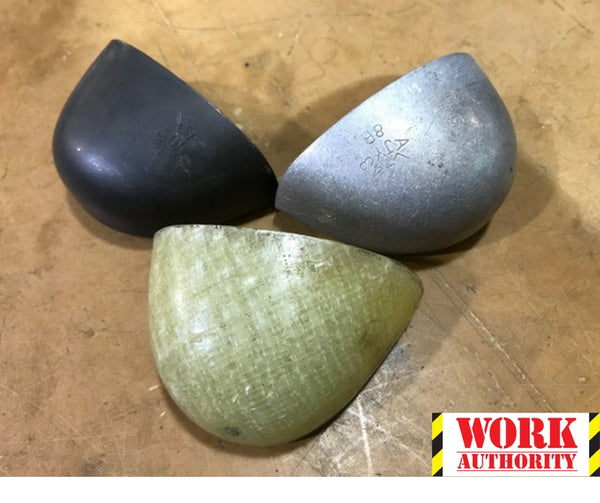
Credit: workauthority.ca
Material Differences
The material used in safety shoes plays a big role in how they protect your feet. Alloy toe and steel toe shoes differ mainly in what their toe caps are made of. These materials affect weight, strength, and comfort. Understanding these differences helps you pick the right shoe for your work or daily needs. Below, we explore the composition of steel toe and alloy toe shoes to show how each material performs.
Composition Of Steel Toe
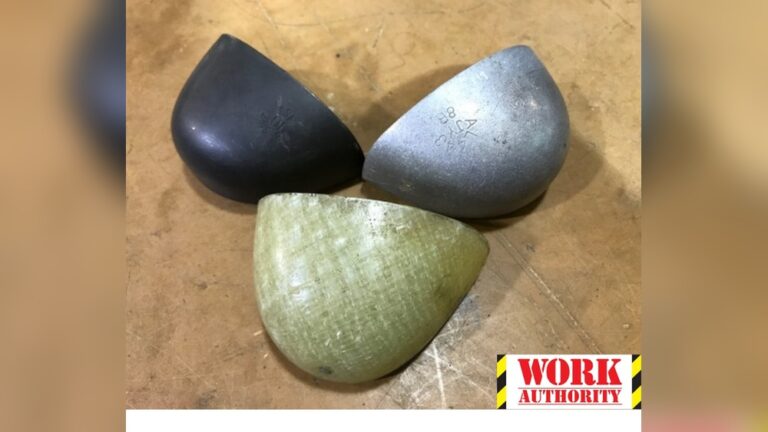
Steel toe shoes have a toe cap made entirely of steel. Steel is a metal alloy mainly made of iron and carbon. It offers very strong protection against heavy impacts and compression. This makes steel toe shoes popular in construction, factories, and other tough work environments.
- Material: High-strength steel alloy
- Weight: Heavier compared to alloy toe caps
- Durability: Extremely durable and resistant to punctures
- Protection: Excellent impact and compression resistance
Steel toe caps are usually made by shaping a steel plate into a dome that fits over the toes. The steel is treated to resist rust and corrosion. Because steel is rigid, these shoes can feel less flexible and heavier during long wear.
| Feature | Steel Toe |
|---|---|
| Material | Steel alloy (iron + carbon) |
| Weight | Heavy |
| Protection Level | High impact and compression resistance |
| Flexibility | Low |
| Rust Resistance | Requires coating or treatment |
Composition Of Alloy Toe
Alloy toe shoes use metal alloys other than steel for the toe cap. Common metals include aluminum, titanium, and composite alloys. These materials aim to keep strong protection while being lighter than steel. Alloy toe caps provide good safety with improved comfort and less weight.
- Material: Aluminum, titanium, or composite alloys
- Weight: Much lighter than steel toe caps
- Durability: Good but can vary by alloy type
- Protection: Strong impact resistance but slightly less than steel
Aluminum alloy toes are popular due to their light weight and rust resistance. Titanium alloys are stronger but more expensive. Some alloy toes combine metals to balance strength and weight. These shoes suit workers needing protection without the burden of heavy footwear.
| Feature | Alloy Toe |
|---|---|
| Material | Aluminum, titanium, or composite alloys |
| Weight | Light |
| Protection Level | High impact resistance, slightly less than steel |
| Flexibility | Better than steel |
| Rust Resistance | Excellent |
Weight And Comfort
Choosing between alloy toe and steel toe shoes often comes down to weight and comfort. These two factors affect how long you can wear the shoes without feeling tired or sore. Workers who spend hours on their feet need shoes that do not add extra strain. Weight impacts how heavy the shoes feel, while comfort depends on fit, padding, and breathability. This section explains the differences in weight and comfort between alloy toe and steel toe shoes.
Weight Comparison
Alloy toe shoes are known for being lighter than steel toe shoes. Alloy materials like aluminum or titanium reduce the overall shoe weight without losing strength. Steel toes, made from heavy metal, add more pounds to the shoe. The difference might seem small, but it matters during long work shifts.
- Alloy toe shoes usually weigh about 20% less than steel toe shoes.
- Steel toe shoes provide strong protection but add extra weight.
- Lighter shoes improve agility and reduce fatigue over time.
| Toe Cap Type | Average Weight (per shoe) | Weight Impact |
|---|---|---|
| Alloy Toe | 1.5 – 2.0 lbs | Lighter, less tiring |
| Steel Toe | 2.0 – 2.5 lbs | Heavier, more tiring |
Workers who need to move fast or stand long hours benefit from alloy toe shoes. The lighter weight helps reduce leg fatigue and improves overall comfort. Steel toe shoes suit those who need maximum protection but can manage the extra weight.
Impact On Comfort
Comfort depends on more than just weight. Both types offer protection, but comfort comes from the shoe’s design and materials. Alloy toe shoes often feel more comfortable because they weigh less and allow for better movement.
- Breathability: Alloy toes generate less heat, keeping feet cooler.
- Flexibility: Lighter materials improve flexibility and reduce stiffness.
- Cushioning: Both types can have good padding, but alloy toes often pair with softer soles.
Steel toe shoes can feel heavier and stiffer. The metal toe can press on the foot if the shoe does not fit well. This can cause discomfort during long wear. Alloy toe shoes reduce this pressure by being lighter and less bulky.
Here is a quick comfort comparison:
| Comfort Factor | Alloy Toe Shoes | Steel Toe Shoes |
|---|---|---|
| Weight | Light | Heavy |
| Flexibility | High | Low |
| Breathability | Better | Average |
| Fit Pressure | Lower | Higher |
Comfort is key for workers who wear safety shoes daily. Alloy toe shoes offer a good balance of protection and comfort. Steel toe shoes provide strong protection but may sacrifice comfort due to weight and rigidity.
Safety And Protection
Choosing the right safety toe for your shoes is vital for protecting your feet in tough work environments. Both alloy toe and steel toe shoes offer strong protection but differ in how they shield your feet. Safety and protection focus on two main features: impact resistance and compression strength. These features determine how well the shoes guard against injuries. Understanding these can help decide which toe cap fits your safety needs best.
Impact Resistance
Impact resistance means how well the toe protects against sudden hits or falls. It prevents sharp or heavy objects from hurting your toes instantly.
Steel toe caps are made of strong metal and can absorb high impact forces. They work well in places where heavy tools or objects might drop on your feet.
Alloy toe caps use lighter metals like aluminum or titanium. They also absorb impact but are lighter than steel. This makes them easier to wear all day without feeling heavy.
- Steel toes usually handle impacts up to 75 foot-pounds.
- Alloy toes can handle similar impacts but with less weight.
- Both meet strict safety standards like ASTM F2413 for impact protection.
Here is a quick comparison:
| Feature | Steel Toe | Alloy Toe |
|---|---|---|
| Material | Steel | Aluminum, Titanium, or Composite Metals |
| Impact Resistance | High (up to 75 foot-pounds) | High (similar to steel) |
| Weight | Heavy | Lightweight |
Compression Strength
Compression strength is the ability to withstand pressure or weight pressing down on the toe area. It stops heavy objects from crushing your toes.
Steel toes offer excellent compression strength. They can handle heavy loads and protect from being crushed under extreme weight.
Alloy toes also have good compression strength but may be slightly less strong than steel. The lighter materials still provide solid protection for many jobs.
Safety standards require both types to withstand at least 2,500 pounds of compression force. This ensures your toes stay safe in most work conditions.
- Steel toe shoes: Best for very heavy-duty jobs with high risk of crushing injuries.
- Alloy toe shoes: Good for lighter or medium jobs where weight and comfort matter.
Compression protection varies by shoe design, but both toe types meet or exceed safety rules. Choosing depends on your work’s specific demands and comfort needs.

Credit: safusensafety.com
Durability And Maintenance
Choosing between alloy toe and steel toe shoes involves more than comfort and safety. Durability and maintenance play crucial roles in deciding which type suits your needs best. Both materials offer protection but differ in how long they last and how much care they require. Understanding these differences helps in making an informed choice that saves money and effort over time.
Longevity Of Steel Toe
Steel toe shoes are known for their exceptional strength and durability. The steel cap inside the shoe resists heavy impacts and compression better than many other materials. This makes steel toe shoes ideal for tough work environments where hazards are common.
Steel toes generally last longer because steel is a hard metal that does not easily break or wear down. The shoe’s lifespan depends on the quality of the outer materials and how often they are used. Properly maintained steel toe shoes can last several years.
- Resistant to crushing: Steel toes protect feet from heavy falling objects.
- Less prone to deformation: Steel keeps its shape under pressure.
- Heavier weight: Can cause more fatigue but adds to durability.
| Factor | Steel Toe Shoes |
|---|---|
| Impact Resistance | High |
| Weight | Heavier |
| Typical Lifespan | 3-5 years |
| Maintenance Needed | Moderate |
Longevity Of Alloy Toe
Alloy toe shoes use lighter metals like aluminum or titanium to protect toes. These metals offer good strength but are generally less durable than steel. Alloy toes may dent or wear out faster under extreme pressure.
They weigh less, reducing foot fatigue during long work hours. This benefit sometimes balances out their slightly shorter lifespan. Alloy toe shoes suit workers needing protection with lighter footwear.
- Lighter material: Easier to wear for extended periods.
- Good impact protection: Meets safety standards but can dent.
- May need replacement sooner: Especially in heavy-duty jobs.
| Factor | Alloy Toe Shoes |
|---|---|
| Impact Resistance | Moderate to High |
| Weight | Lighter |
| Typical Lifespan | 2-4 years |
| Maintenance Needed | Moderate to Low |
Care Tips
Proper care extends the life of both steel toe and alloy toe shoes. Regular cleaning and maintenance keep materials strong and comfortable. Follow these tips for best results:
- Clean regularly: Remove dirt and mud with a soft brush or cloth.
- Dry properly: Avoid direct heat; air dry shoes to prevent damage.
- Condition leather: Use leather conditioner to keep the upper soft and prevent cracking.
- Check soles: Replace worn-out soles to maintain grip and support.
- Store correctly: Keep shoes in a cool, dry place away from moisture.
Steel toes need occasional rust checks. Alloy toes resist rust but may dent easier, so inspect for damage often. Small problems fixed early prevent bigger issues later.
Using shoe trees helps keep shape and absorbs moisture. Rotating shoes between workdays lets them dry fully, reducing odor and material wear.
Cost And Value
Choosing between alloy toe and steel toe shoes involves more than just safety features. The cost and value play a big role in deciding the best option for your needs. Both types protect your feet but differ in price and long-term benefits. Understanding these differences helps in making a smart purchase. Let’s explore the price range and cost-effectiveness of alloy toe versus steel toe shoes.
Price Range
The price of alloy toe and steel toe shoes varies based on materials, brand, and design. Generally, steel toe shoes are less expensive than alloy toe shoes. Steel toes use traditional metal caps, which cost less to produce.
- Steel toe shoes usually start around $50 and can go up to $150.
- Alloy toe shoes often start near $70 and can reach $180 or more.
Here is a simple comparison table:
| Type | Starting Price | Top Price | Material |
|---|---|---|---|
| Steel Toe | $50 | $150 | Steel Metal Cap |
| Alloy Toe | $70 | $180 | Light Metal Alloy Cap |
Prices depend on the shoe’s brand and extra features like waterproofing, slip resistance, or insulation. Alloy toes often cost more because the metal alloy is lighter and sometimes more advanced. This makes alloy toe shoes popular for people who want protection without heavy footwear.
Cost-effectiveness
Cost-effectiveness measures how much value you get for the money spent. Steel toe shoes offer strong protection at a lower price. They are durable but heavier. Alloy toe shoes cost more but provide comfort and lighter weight, which can reduce fatigue during long work hours.
Consider these points:
- Steel toe shoes last long and suit tough environments.
- Alloy toe shoes improve comfort and reduce foot strain.
- Both types meet safety standards, so protection is reliable.
- Replacing worn-out shoes adds to long-term cost.
Here is a quick look at cost-effectiveness:
- Initial cost: Steel toe is cheaper upfront.
- Comfort and fatigue: Alloy toe saves energy, possibly increasing productivity.
- Durability: Both are durable, but steel toes may last longer in rough use.
- Replacement frequency: Frequent replacements mean higher overall cost.
Choosing the right shoe depends on your work needs. Alloy toe shoes may cost more but offer better comfort. Steel toe shoes save money initially and provide solid protection. Think about how long you wear the shoes daily and the work conditions to get the best value for your money.
Work Environments
Choosing the right safety shoe depends a lot on the work environment. Both alloy toe and steel toe shoes protect feet from heavy objects and sharp hazards. Yet, each type suits different job settings and needs. Understanding which shoe fits better can improve comfort and safety at work.
Best Uses For Steel Toe
Steel toe shoes are best for tough, high-risk environments. They offer strong protection against heavy impacts and compression. This makes them ideal for jobs where heavy tools, machines, or materials are common.
- Construction sites: Steel toes resist falling debris and sharp objects.
- Factory work: Protects feet from heavy machinery and equipment.
- Warehousing: Guards against dropped boxes and forklifts.
- Mining: Offers durability and strong impact resistance.
Steel toe shoes are heavier but provide excellent protection. Workers who need maximum safety often choose steel toes despite the extra weight.
| Factor | Steel Toe Shoes |
|---|---|
| Protection | Very high impact resistance |
| Weight | Heavier than alloy toes |
| Durability | Very durable under harsh conditions |
| Cost | Usually less expensive than alloy toes |
Best Uses For Alloy Toe
Alloy toe shoes suit environments where weight and comfort matter. They offer good protection but are lighter than steel toes. This reduces fatigue during long workdays.
- Electrical work: Alloy toes do not conduct electricity.
- Outdoor jobs: Lightweight and comfortable for walking and climbing.
- Warehouse jobs: Good for workers who move a lot.
- Light manufacturing: Protects feet while allowing agility.
Alloy toes also resist rust and are less bulky. This makes them a smart choice for jobs requiring speed and flexibility.
| Factor | Alloy Toe Shoes |
|---|---|
| Protection | Strong impact resistance, lighter than steel |
| Weight | Lightweight and less tiring |
| Durability | Good, resistant to rust |
| Cost | Typically more expensive than steel toes |
Appearance And Style
Choosing between alloy toe and steel toe shoes involves more than safety features. Appearance and style play a big role in comfort and confidence at work. Shoes that look good encourage wearers to keep them on all day. Both toe types offer different design choices and visual appeal. Understanding these differences helps select the best fit for both function and fashion.
Design Options
Alloy toe shoes often provide a wider variety of designs. Their lighter material allows for more flexibility in shoe shape and weight. This means manufacturers can create styles that look less bulky and more modern. Alloy toe shoes suit workers who want protection without heavy, clunky footwear.
- Variety of colors: Alloy toe shoes come in many colors, from traditional black and brown to navy and gray.
- Material choices: These shoes often use lightweight fabrics, mesh, and synthetic leathers.
- Sporty to classic: Designs range from athletic sneaker styles to classic work boots.
Steel toe shoes tend to be more traditional in design. The steel cap adds extra weight and bulk, limiting style options. Most steel toe shoes stick to darker, conservative colors and heavier materials like thick leather. This makes them ideal for industries needing durability but less variety in style.
| Feature | Alloy Toe Shoes | Steel Toe Shoes |
|---|---|---|
| Weight | Lightweight, comfortable | Heavier, sturdy |
| Color Options | Wide range | Limited, mainly dark colors |
| Material | Mix of synthetic and leather | Mostly thick leather |
| Style Variety | Casual to professional | Mostly traditional work boots |
Aesthetic Differences
Alloy toe shoes look sleeker and less heavy. Their design allows for a more streamlined silhouette. This makes them popular for workers who want safety without sacrificing style. The toe area is less bulky, blending well with casual or business-casual attire.
Steel toe shoes have a distinctive, rugged look. The steel cap causes a noticeable bulge at the front of the shoe. This feature gives them a strong, industrial appearance. Steel toe shoes often appear more robust and tougher, suitable for demanding job sites.
- Alloy Toe: Smooth toe shape, less visible protection, modern look.
- Steel Toe: Bulky toe box, visible safety feature, classic workwear style.
Both styles can be polished and cared for to improve their look. Alloy toes fit better with lighter clothing styles. Steel toes match heavy-duty gear and uniforms. The choice depends on the desired balance between protection and professional appearance.
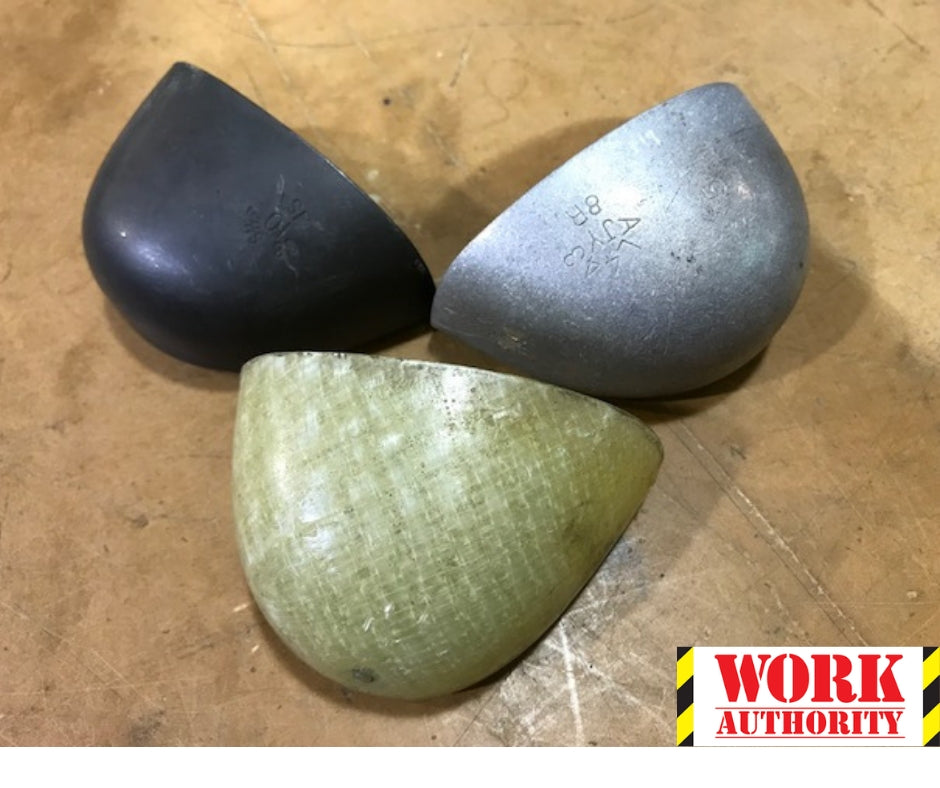
Credit: workauthority.ca
Frequently Asked Questions
What Are The Main Differences Between Alloy Toe And Steel Toe Shoes?
Alloy toe shoes use lightweight metals like aluminum, while steel toe shoes have heavier steel caps. Alloy toes offer better comfort and corrosion resistance. Steel toes provide stronger impact protection but are heavier and less flexible.
Are Alloy Toe Shoes As Protective As Steel Toe Shoes?
Alloy toe shoes protect against many hazards but are slightly less impact-resistant than steel toes. They meet safety standards and are ideal for lighter work environments requiring comfort and durability.
Which Shoes Are Lighter: Alloy Toe Or Steel Toe?
Alloy toe shoes are significantly lighter than steel toe shoes. Their lightweight design reduces foot fatigue during long work hours, making them better for jobs needing mobility and comfort.
Can Alloy Toe Shoes Be Used In Cold Weather?
Yes, alloy toe shoes perform well in cold weather. They don’t conduct cold as much as steel toes, keeping your feet warmer during winter work conditions.
Conclusion
Choosing between alloy toe and steel toe shoes depends on your needs. Steel toe shoes offer strong protection but weigh more. Alloy toe shoes are lighter and resist heat well. Both types keep your feet safe on the job. Think about comfort, safety, and work conditions.
Pick the shoe that fits your daily tasks best. Safety always comes first, so choose wisely. Your feet will thank you.