Can I Use Running Shoes for Tennis : Decoding the Best Footwear
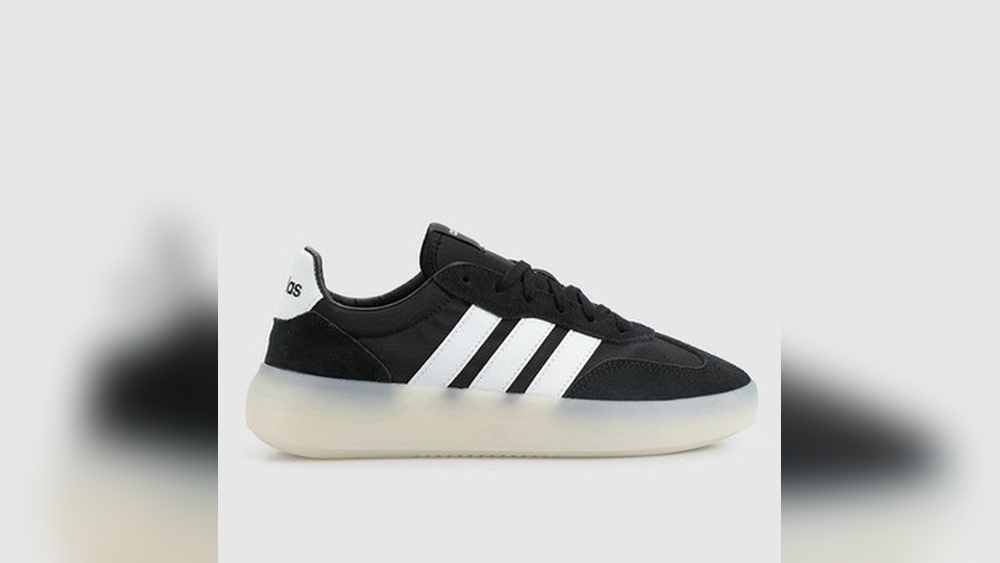
Yes, you can use running shoes for tennis, but they may not provide the same level of support and stability as tennis shoes. Tennis shoes are specifically designed to provide the necessary support and traction for the quick lateral movements involved in tennis.
When it comes to choosing footwear for your tennis game, it’s important to consider the specific demands of the sport. While running shoes may be comfortable and versatile, tennis shoes offer specialized features such as reinforced toe areas, lateral support, and durable outsoles to withstand the unique stresses of playing tennis.
By opting for tennis shoes, you can enhance your performance on the court and reduce the risk of injuries associated with improper footwear. Let’s delve deeper into the key differences between running and tennis shoes to help you make an informed decision for your next match.
Differences Between Running And Tennis Shoes
Choosing the right footwear for your sports activities is crucial in preventing injuries and optimizing performance. While running shoes and tennis shoes may seem similar, there are key differences that make each type specifically designed for its respective sport. Understanding these differences can help you make an informed decision when deciding if running shoes are suitable for tennis or vice versa.
Cushioning
The cushioning in running shoes is designed to absorb the impact of repetitive forward motions that occur during running, providing support and protection for your feet and joints.
In contrast, tennis shoes have cushioning customized for the quick, multi-directional movements on the court. The cushioning in tennis shoes is strategically placed in the heel and forefoot areas to enhance stability and response during lateral movements.
Tread Pattern
The tread pattern on running shoes is specifically built for maximum traction on running surfaces, such as roads or trails. It typically features a consistent, straight pattern that provides stability and grip when moving in a forward direction.
Tennis shoes, on the other hand, have a specialized tread pattern that takes into account the different court surfaces – such as clay, grass, or hard courts. The pattern is designed to enhance grip and prevent slippage during quick side-to-side movements.
Lateral Support
Running shoes generally prioritize forward motion and offer minimal lateral support. This design allows for more flexibility and freedom of movement during running activities.
Tennis shoes, however, are designed to provide additional lateral support to protect against ankle sprains and injuries that may occur during sudden changes in direction on the court. The sidewalls of tennis shoes are often reinforced to provide stability and prevent excessive rolling of the ankle.
In conclusion, while running shoes and tennis shoes may share some similarities in terms of comfort and durability, the differences in cushioning, tread pattern, and lateral support make each shoe type uniquely suitable for its intended sport. It is recommended to opt for tennis shoes when playing tennis to ensure proper support and optimize performance on the court.
Impact On Performance
Impact on Performance: Using running shoes for tennis can have a significant impact on your game performance. Your choice of footwear directly affects your agility, stability, and grip on the court.
Running Shoes For Tennis
Running shoes are designed for forward motion and cushioning, making them less ideal for the lateral movements and quick changes in direction required in tennis. The lack of proper support and stability in running shoes can lead to a higher risk of injuries on the court.
Tennis Shoes For Running
Conversely, tennis shoes are specifically engineered to provide the necessary support, traction, and durability for the stop-and-go movements in tennis. The design of tennis shoes allows for better grip on the court surface, enhancing your performance and reducing the risk of slipping or sliding.
Injury Risks
Wearing running shoes for tennis can increase the risk of injuries due to the different movements and impact involved in the two sports.
Ankle Injuries
Ankle sprains and twists are common when using running shoes for tennis due to limited lateral support.
Knee Injuries
Running shoes lack the necessary cushioning and stability for the quick direction changes and abrupt stops in tennis, leading to knee strain.
Factors To Consider
When deciding whether to use running shoes for tennis, there are several important factors to take into consideration. These include the playing surface and your playing style. By understanding these factors, you can make a more informed decision and choose the right shoes for your tennis game.
Playing Surface
The playing surface you typically play on is crucial in determining whether running shoes are suitable for tennis. Tennis shoes are designed with specific features to provide the necessary support and stability on different surfaces.
- If you primarily play on a hard court, such as concrete or asphalt, running shoes may not be ideal. Hard court surfaces require shoes with durable, non-marking outsoles that can withstand the harsh impact and provide better traction.
- For clay courts, running shoes might not be the best choice as they lack the necessary grip needed to slide and change directions quickly. Tennis shoes designed for clay have specialized soles that help prevent slipping and offer better traction on the soft surface.
- On grass courts, like those used in Wimbledon, running shoes are generally not recommended. Grass courts require shoes with specific stud patterns to provide stability and prevent slipping on the slippery surface.
Playing Style
Your playing style also plays a significant role in determining the suitability of running shoes for tennis. Different playing styles require different levels of support, cushioning, and stability to enhance performance and reduce the risk of injuries.
- If you have a baseline playing style, where you prefer to stay at the back of the court and engage in long rallies, running shoes may offer sufficient cushioning and flexibility.
- For aggressive players who frequently move forward and engage in quick movements at the net, tennis shoes are recommended as they provide better lateral support and stability.
| Factors | Running Shoes | Tennis Shoes |
|---|---|---|
| Outsole | Durable | Non-marking, specialized for different surfaces |
| Grip | May lack necessary grip on clay and grass courts | Designed for specific court surfaces |
| Support | Varies depending on the shoe design | Maximum lateral support for quick movements |
| Cushioning | Generally offers good cushioning | Specifically designed for tennis movements |
Considering these factors will help you make an informed decision about whether running shoes are suitable for tennis. It’s important to prioritize support, stability, and appropriate outsoles for your chosen playing surface to maximize your performance and reduce the risk of injuries.
Tips For Choosing Tennis Shoes
When it comes to choosing the right tennis shoes, it’s important to consider several key factors that will ensure optimal performance and comfort on the court. From fit to durability and traction, selecting the right tennis shoes can significantly impact your game. Here are some essential tips for choosing tennis shoes that will help you make the right decision when it comes to your footwear.
Fit
Proper fit is essential in a tennis shoe. The shoes should provide a snug fit without being too tight, as this can lead to discomfort and potential injury. Make sure there is enough room for your toes and that your heel is secure. Additionally, consider your foot type – whether you have a wider or narrower foot – and look for shoes that accommodate your specific needs.
Durability
Durability is crucial in tennis shoes given the high-intensity movements on the court. Look for shoes with reinforced toe caps and sturdy materials that can withstand the constant wear and tear. Quality stitching and strong outsoles are also important factors to consider when evaluating the durability of a tennis shoe.
Traction
Traction is a vital component of tennis shoes as it directly impacts your ability to move swiftly and make quick stops and turns on the court. Opt for shoes with a durable and grippy outsole that provides excellent traction on various court surfaces, helping you maintain stability and agility during play.
Frequently Asked Questions For Can I Use Running Shoes For Tennis
Can I Use Running Shoes For Tennis?
Yes, you can use running shoes for tennis, but it’s not recommended. Running shoes lack the lateral support and stability needed for the quick and multidirectional movements in tennis. Tennis shoes are specifically designed to provide the support and traction required for playing tennis, reducing the risk of injury.
What Are The Differences Between Running And Tennis Shoes?
Running shoes are designed for forward motion with cushioning and support, while tennis shoes are designed for side-to-side movement with added stability and durability in high-wear areas. Tennis shoes also have a more sturdy outsole to provide better traction on the court compared to running shoes.
Can I Wear Tennis Shoes For Running?
You can wear tennis shoes for running, but they are not ideal. Tennis shoes are heavier and have a more rigid sole compared to running shoes, which can affect your running gait. They may not provide the same level of cushioning and support that running shoes do, potentially leading to discomfort or injury.
Conclusion
To conclude, while running shoes may provide some level of comfort and support on the tennis court, it is recommended to invest in proper tennis shoes for optimal performance and injury prevention. Tennis shoes are designed to withstand the unique demands of quick lateral movements and offer increased stability, grip, and durability.
By choosing the right footwear specifically tailored to the sport, you can enhance your game and enjoy a safe and enjoyable tennis experience.