
How Do Salomon Shoes Fit Compared to Nike: Ultimate Comfort Showdown
Are you trying to choose between Salomon and Nike shoes but unsure how they fit? Getting the right fit matters more than you think—it affects your comfort, performance, and even injury risk.
You want shoes that hug your feet just right, not too tight or too loose. You’ll discover exactly how Salomon shoes fit compared to Nike, so you can make the best choice for your feet. Keep reading to find out which brand matches your foot shape and lifestyle perfectly.
Salomon Shoe Fit Basics
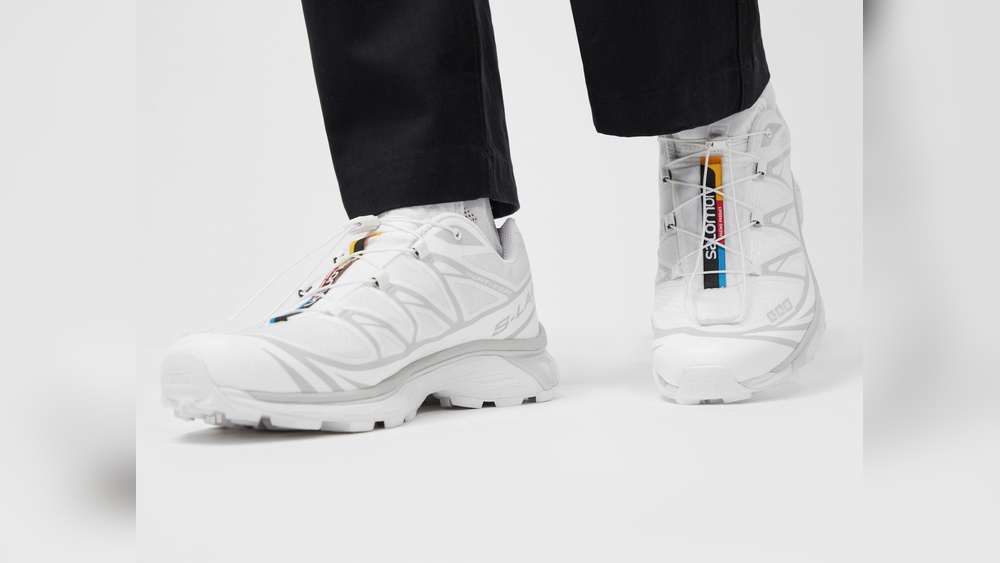
Salomon shoes offer a unique fit that many runners and hikers prefer. Their design focuses on comfort and performance, especially on rough terrain. Understanding their fit basics helps you choose the right size and style. This section breaks down the main fit features of Salomon shoes compared to Nike.
Design And Shape
Salomon shoes have a snug, secure fit. They often feel tighter in the midfoot than Nike models. The toe box is usually narrower, allowing better control on uneven ground. This shape suits runners who want stability and precise foot placement. Nike shoes tend to be roomier, especially in the toe area. Salomon’s design aims to keep your foot steady during quick movements.
Width Options
Salomon offers fewer width options than Nike. Most models come in a standard width. Wide feet may find Salomon shoes a bit tight. Nike provides more variety, including wide and extra-wide sizes. Choosing the right width is key for comfort on long runs or hikes. Salomon’s fit feels more like a glove, while Nike allows more space for foot expansion.
Arch Support
Salomon shoes typically have firm arch support. This suits people with medium to high arches. The support helps reduce foot fatigue on rough trails. Nike shoes offer a range of arch supports, from low to high. Some Nike models focus more on cushioning than arch control. Salomon’s arch design gives stability for uneven surfaces and long distances.
Credit: www.reddit.com
Nike Shoe Fit Features
Nike shoes fit differently than many other brands. Their design focuses on comfort and performance. Understanding Nike’s shoe fit helps you choose the right size. The fit depends on how the shoe is made and the materials used. Below are key features of Nike shoe fit to consider.
Footwear Design
Nike shoes often have a sleek, narrow shape. The toe box is usually slim, which suits people with narrow feet. The heel area is snug to hold the foot in place. Many models use lightweight materials to reduce weight. This design helps with speed and agility. But it may feel tight for wide feet.
Sizing Variations
Nike sizes can run small compared to other brands. Some users suggest ordering a half or full size up. The fit can vary by shoe model and style. Men’s and women’s sizes differ slightly as well. Trying the shoes on or checking specific size charts is important. This avoids discomfort or the need to return.
Cushioning And Support
Nike offers good cushioning in most shoes. Their foam technology absorbs impact well. Support varies from model to model. Running shoes usually have more arch support. Casual shoes focus on comfort and flexibility. Proper cushioning helps reduce foot fatigue and pain.
Comparing Comfort Levels
Comfort plays a big role in choosing the right shoe. Salomon and Nike offer different features that affect how they feel on your feet. Understanding these differences helps you pick a shoe that fits your needs. Let’s explore the comfort levels of both brands.
Insole Technology
Salomon shoes use cushioned insoles designed for shock absorption. They provide good support for hiking and running on rough paths. Nike insoles focus on soft foam that molds to your foot shape. This adds comfort for everyday wear and sports. Both brands aim to reduce foot fatigue but use different methods.
Breathability
Salomon shoes often have mesh panels to help air flow. This keeps your feet cooler during intense activities. Nike also uses breathable materials in many models. They use lightweight fabrics that help sweat evaporate quickly. Both brands work to keep feet dry and comfortable.
Weight And Flexibility
Salomon shoes tend to be slightly heavier due to durable materials. They offer strong foot support and protection. Nike shoes are usually lighter and more flexible. This helps with fast movements and casual wear. The choice depends on whether you want stability or agility.
Performance In Different Activities
Performance varies between Salomon and Nike shoes across different activities. Each brand offers unique features suited for specific uses. Understanding these differences helps choose the best shoe for your needs.
Running Experience
Nike shoes focus on road running with soft cushioning. They offer good shock absorption and smooth strides. Salomon shoes excel in trail running. They provide extra grip and stability on rough paths. Nike feels lighter on paved surfaces. Salomon handles uneven terrain better.
Trail And Outdoor Use
Salomon designs shoes for rugged outdoor use. Their soles have deep treads for strong traction. They resist mud and slippery rocks well. Nike shoes are less specialized for trails. They work better on light trails and park paths. Salomon is the preferred choice for serious hikers and trail runners.
Casual Wear Comfort
Nike shoes tend to be more flexible and softer inside. This makes them comfortable for daily wear. Salomon shoes can feel stiff at first. They may take time to break in. But they offer excellent foot support. For casual use, Nike usually feels more relaxed and easy to wear.
User Feedback And Reviews
User feedback and reviews reveal how Salomon shoes fit compared to Nike. Many users share their real experiences after wearing both brands. These opinions help understand comfort, size accuracy, and overall fit.
Reading diverse reviews gives a clear picture of what to expect. It shows strengths and areas where each brand may lack. Below are key points drawn from user comments and ratings.
Common Praise
Salomon shoes often receive praise for their strong grip and foot support. Users like the snug fit around the heel and midfoot. Many find them excellent for outdoor activities and trail running.
Nike shoes get compliments for their lightweight feel and stylish design. Buyers enjoy the cushioned sole and breathability. They suit casual wear and gym workouts well.
Frequent Complaints
Some Salomon users mention the shoes feel narrow, especially in the toe box. A few say the sizing runs smaller than expected. Breaking them in can take longer than Nike models.
Nike users sometimes report the arch support is weak. Others find the shoes wear out faster with heavy use. Fit issues include a loose heel or wide forefoot.
Fit Consistency
Salomon shoes show less fit consistency among users. Some find their usual size perfect, while others need to size up. This varies depending on the shoe model and foot shape.
Nike shoes generally offer more predictable sizing. Most customers get their regular size with little trouble. This consistency makes Nike a safer choice for online buying.

Credit: blog.size.co.uk
Tips For Choosing The Right Fit
Choosing the right fit for Salomon shoes compared to Nike is key. Each brand has unique sizing and shape. Getting the perfect fit helps avoid discomfort and improves performance.
Use these tips to find the best fit for your feet. Small steps make a big difference in comfort and support.
Measuring Your Foot
Measure your foot length and width before buying shoes. Use a ruler or tape measure on a flat surface. Measure both feet, as one may be bigger. Compare these numbers to the brand’s size chart. This helps pick a size closer to your foot shape.
Trying Shoes On
Try shoes on in the afternoon, when feet are largest. Wear the socks you plan to use with the shoes. Walk around to check comfort and fit. Pay attention to toe space and heel grip. Shoes that feel tight or loose should be avoided.
Considering Your Activity
Think about the main use of your shoes. Salomon shoes often fit snug for trail running or hiking. Nike shoes may fit differently, often wider for casual wear or sports. Choose a fit that supports your activity needs. Comfort during movement is the priority.

Credit: www.youtube.com
Frequently Asked Questions
How Do Salomon Shoes Fit Compared To Nike?
Salomon shoes generally fit snugger than Nike shoes. They offer a more secure and supportive fit, ideal for trail running. Nike shoes tend to have a roomier toe box and a softer feel, suiting casual or road running needs better.
Are Salomon Shoes True To Size Versus Nike?
Salomon shoes usually run true to size but feel tighter. Nike shoes often have a slightly wider fit. It’s best to try both brands on or check specific size guides before purchasing for the most comfortable fit.
Which Brand Offers Better Arch Support, Salomon Or Nike?
Salomon shoes provide stronger arch support, designed for rugged terrain. Nike shoes offer moderate arch support, focusing on cushioning and flexibility. Choose Salomon for stability on trails and Nike for everyday comfort and running.
Do Salomon Shoes Accommodate Wider Feet Better Than Nike?
Nike shoes typically accommodate wider feet better due to their broader design. Salomon shoes are narrower and may feel tight for wide feet. Consider sizing up or looking for specific wide-fit models in either brand.
Conclusion
Salomon shoes usually fit a bit narrower than Nike shoes. Nike tends to offer a wider toe box and more cushioning. Salomon focuses on a snug, secure fit for outdoor activities. Choosing between them depends on your foot shape and shoe use.
Try both brands if you can, to find your best fit. Comfort and fit matter most for your daily or sports needs. Remember, the right shoe helps you move better and feel good.