How Do You Know What Size Snowshoes to Buy: Ultimate Guide 2025
Snowshoes help you walk on snow without sinking. But choosing the right size is very important. If your snowshoes are too small, you will sink in the snow. If they are too big, you might find it hard to walk. So, how do you know what size snowshoes to buy? This guide will help you understand everything you need.

Credit: yukoncharlies.com
Why Does Snowshoe Size Matter?
Snowshoe size changes how well you can walk on snow. The main job of snowshoes is to spread your weight. This stops you from sinking. Bigger snowshoes spread your weight more. Smaller snowshoes are lighter but do not spread your weight as much.
Choosing the right size is about balance. You want snowshoes big enough to keep you above the snow. But also small enough to be easy to walk in.
Credit: yukoncharlies.com
Factors to Think About When Choosing Snowshoe Size
Here are some main things to think about:
- Your Weight: This includes your clothes and gear.
- Type of Snow: Is the snow soft and deep or hard and packed?
- What You Will Do: Are you walking on flat land or climbing hills?
1. Your Weight
Your weight helps decide the size of snowshoes you need. Snowshoes are made to hold a certain weight. This includes your body weight plus any extra gear.
For example, if you weigh 150 pounds and carry 20 pounds of gear, your total weight is 170 pounds. You need snowshoes that can hold at least this much weight.
2. Type Of Snow
Snow can be soft and powdery or hard and packed. Soft snow needs bigger snowshoes. They help you stay on top of the snow. Hard snow lets you use smaller snowshoes. You do not sink much in hard snow.
3. What You Will Do
If you walk on flat land, you can use medium or small snowshoes. They are lighter and easier to use. If you hike on hills or mountains, bigger snowshoes help you. They give better support and stop you from sinking.
How to Find the Right Snowshoe Size
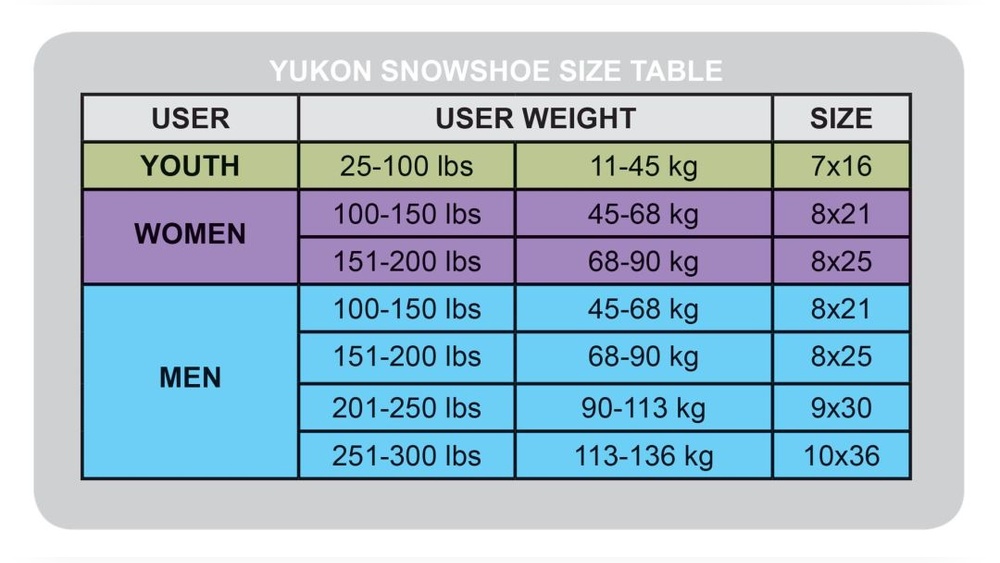
Most snowshoes come with size charts. These charts match your weight to the right snowshoe size. Here is a simple table to help you:
| Total Weight (lbs) | Snowshoe Size (sq. inches) | Best For |
|---|---|---|
| Under 120 | 150 – 200 | Light snow, flat land |
| 120 – 180 | 200 – 250 | Moderate snow, mixed terrain |
| 180 – 220 | 250 – 300 | Deep snow, hills |
| Over 220 | 300+ | Very deep snow, steep climbs |
Use this table as a guide. Always check the snowshoe brand’s own chart. Sizes can change a little between brands.
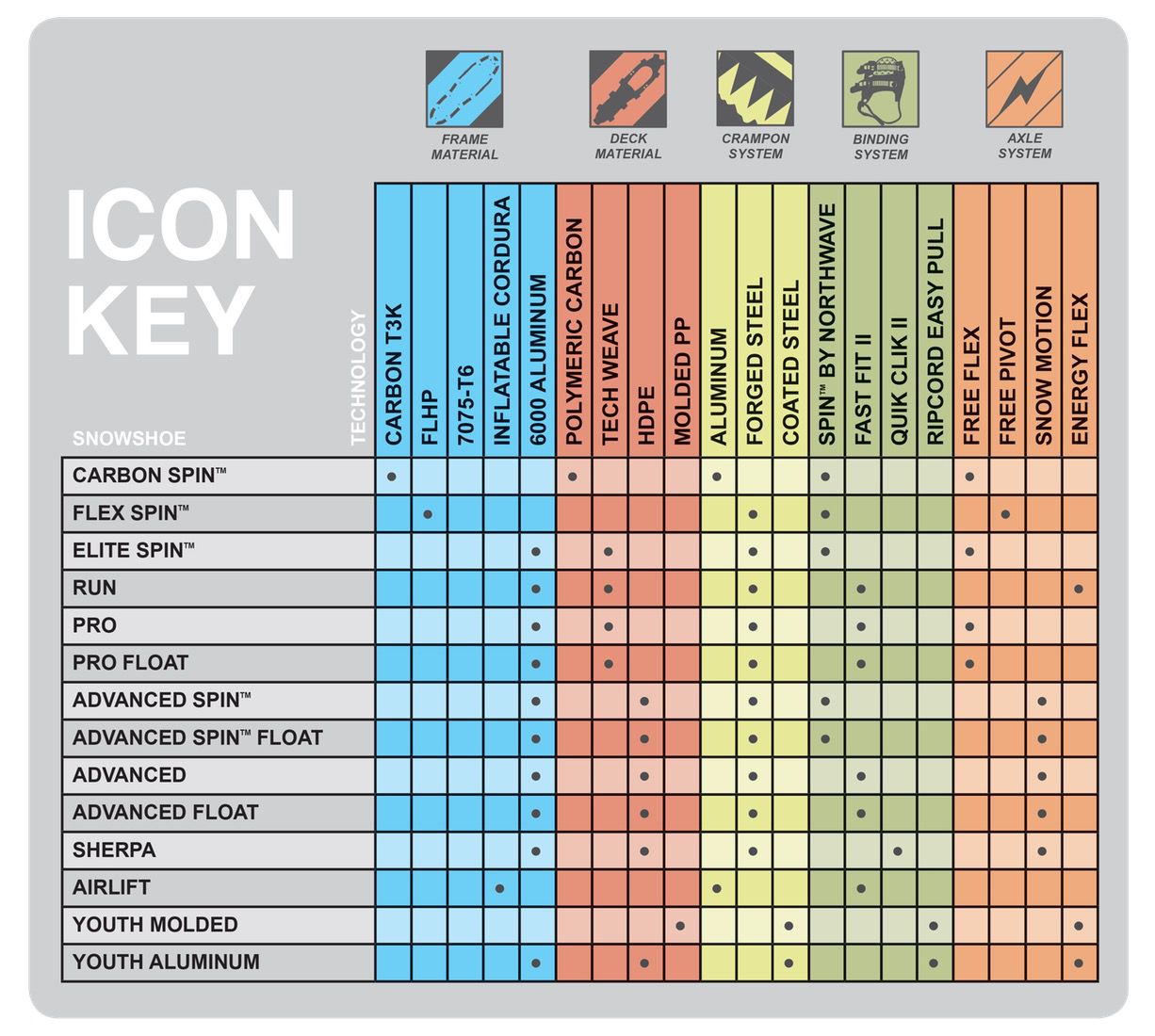
Other Things to Check When Buying Snowshoes
Size is key, but other parts are important too.
- Binding System: This holds your boot in place. Make sure it fits your shoe size well.
- Weight of Snowshoes: Lighter snowshoes are easier to walk with.
- Shape of Snowshoes: Some are long and narrow. Others are wide and round. Narrow ones are better for fast walking. Wide ones give more support in deep snow.
How to Measure Your Weight for Snowshoes
To get your total weight, follow these steps:
- Weigh yourself with normal clothes.
- Add the weight of your winter clothes.
- Include gear like backpacks and water bottles.
- Add all weights together.
This total helps you pick snowshoes that work best for you.
Tips for Buying Snowshoes
Here are some useful tips:
- Try on snowshoes if you can. Walking in them feels different.
- Ask staff at the store for advice.
- Think about where you will use them most.
- Remember that bigger snowshoes mean more effort to walk.
- Choose snowshoes with good traction for safety.
What Happens If You Choose the Wrong Size?
Picking the wrong size snowshoes can cause problems.
- Too Small: You sink in snow. Walking is hard and tiring.
- Too Big: Snowshoes feel heavy and clumsy. You may trip or fall.
- Both can make snowshoeing less fun.
So, it is best to pick the right size from the start.
Summary
Choosing the right size snowshoes depends on your total weight, snow type, and activity. Use size charts to find the right fit. Bigger snowshoes work best for deep snow and hills. Smaller snowshoes are good for light snow and flat land. Always think about your comfort and safety.
With the right snowshoes, walking on snow is easier and more fun. Take your time to find the best size for you. Happy snowshoeing!
Frequently Asked Questions
What Factors Affect Snowshoe Size Selection?
Snowshoe size depends mainly on your weight and snow type. Heavier people need larger snowshoes for better support.
How Does Weight Influence Snowshoe Size?
Heavier weight requires bigger snowshoes to prevent sinking. Always include clothing and gear weight in your total.
Can Snowshoe Size Impact Walking Comfort?
Yes, the right size improves balance and comfort. Too small or big shoes may cause slipping or fatigue.
What Size Snowshoes Suit Deep Powder Snow?
Bigger snowshoes work best in deep, soft snow. They help you stay on top without sinking.