Are Air Force Ones Non Slip Shoes: Ultimate Grip Tested!
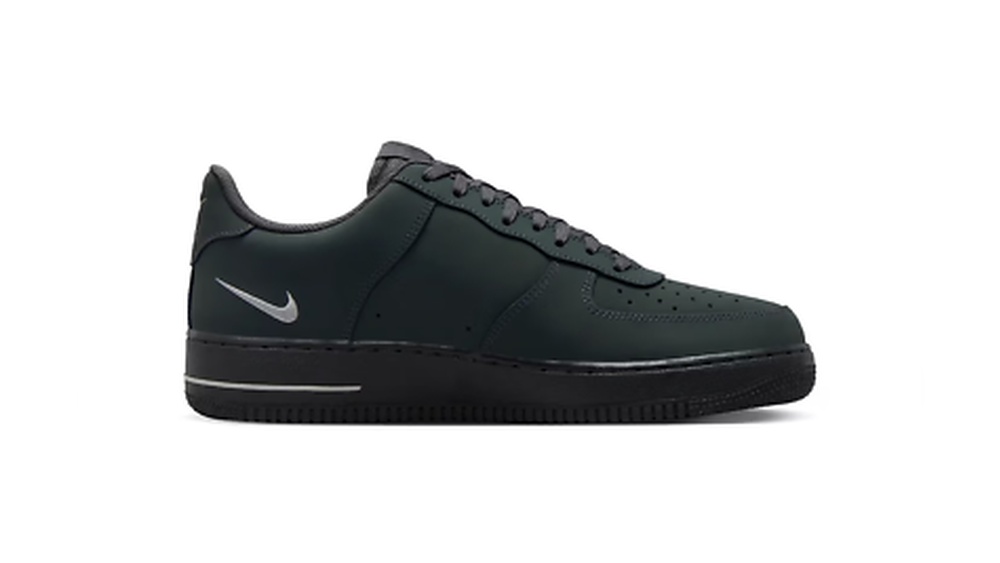
Are you wondering if your favorite Air Force Ones can keep you steady on slippery surfaces? Whether you wear them for style or everyday comfort, knowing if they offer good grip is important for your safety.
You don’t want to slip and fall just because your shoes can’t hold their ground. You’ll discover the truth about Air Force Ones and their slip resistance. By the end, you’ll know if these iconic sneakers are reliable enough to keep you balanced wherever you go.
Keep reading to find out what makes a shoe truly non-slip and how Air Force Ones measure up.
Air Force Ones Design Features
The design of Air Force Ones plays a key role in their grip and safety. These shoes balance style and function well. Their design elements affect how they perform on different surfaces.
Understanding these features helps explain if Air Force Ones are non-slip. The focus lies on the sole material and the tread pattern. Both parts work together to offer traction and support.
Sole Material And Texture
Air Force Ones use a rubber sole known for durability. Rubber offers good grip on many surfaces. Its flexibility allows the shoe to move with the foot. The texture of the sole is smooth with slight grooves. This texture helps to create friction. It reduces the chance of slipping on dry floors. However, on wet or oily surfaces, the grip may lessen.
Tread Pattern Analysis
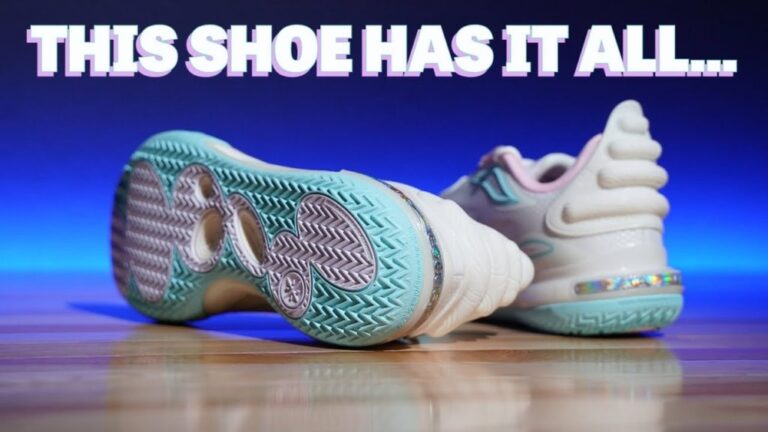
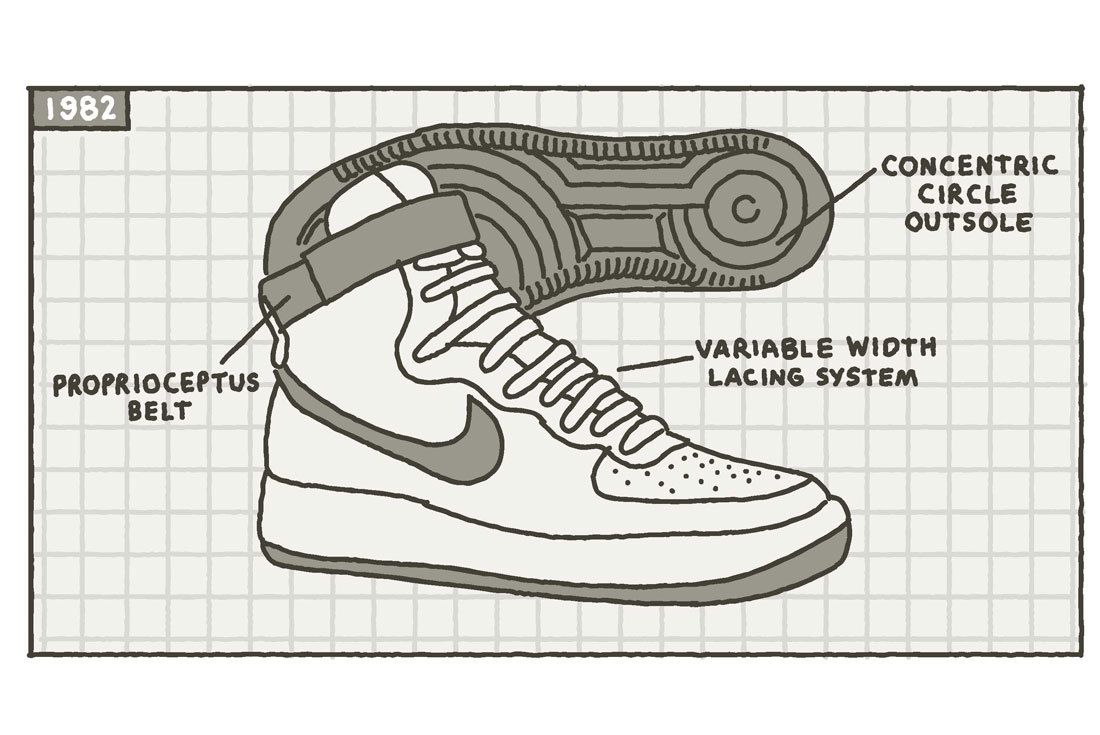
The tread pattern on Air Force Ones consists of concentric circles. These circles spread from the center of the sole outward. This pattern aims to improve traction by channeling away water. It also provides grip during side-to-side movement. The pattern is not very deep, which limits its slip resistance on rough terrain. It works best on flat, even ground.
Grip Performance In Various Conditions
Grip performance is a key factor in choosing the right shoes. Air Force Ones aim to provide steady footing in different places. Understanding how they perform on dry, wet, and slippery surfaces helps you decide if they suit your needs.
Dry Surface Traction
On dry surfaces, Air Force Ones offer solid grip. Their rubber soles create good contact with the ground. This helps prevent slips during everyday walking. The tread pattern supports balance and control on pavement or floors.
Wet Surface Stability
Wet conditions test shoe grip the most. Air Force Ones have some slip resistance but may not be perfect in heavy rain. The rubber sole sheds water but can struggle on very smooth wet surfaces. Caution is still needed on rainy days.
Slippery Surface Handling
Slippery spots like ice or oil are tough for many shoes. Air Force Ones do not have special slip-proof tech for these surfaces. They provide basic traction but may not prevent falls on slick ground. Extra care is important in such places.
Comparing Air Force Ones With Other Sneakers
Air Force Ones are popular sneakers with a classic look. Many people wonder about their grip and slip resistance. Comparing them to other types of sneakers helps understand their performance. Sneakers made for running or hiking usually have different soles. These differences affect how well they hold on slippery surfaces.
Grip Comparison With Running Shoes
Running shoes have soles made for smooth and fast movement. Their rubber soles often have special patterns. These patterns help grip roads and tracks better. Air Force Ones have flat soles with less tread. This design offers less traction than running shoes. On wet or slippery ground, running shoes perform better. Air Force Ones may slip more on such surfaces.
Grip Comparison With Hiking Shoes
Hiking shoes focus on strong grip for rough, uneven paths. Their soles have deep lugs and tough rubber. These features stop slipping on rocks and mud. Air Force Ones lack these deep treads. They do not provide the same grip on hiking trails. Hiking shoes protect feet better on wet or loose ground. Air Force Ones are not designed for such conditions.

Credit: www.flumidieselbosch.com.br
User Experiences And Feedback
User experiences and feedback offer valuable insight into the true performance of Air Force Ones as non-slip shoes. People share real-life use cases and opinions. These help us understand how well the shoes perform beyond marketing claims.
Different users test the shoes in various settings. Their reviews highlight strengths and weaknesses. This section explores everyday and athletic feedback on Air Force Ones.
Everyday Use Insights
Many users wear Air Force Ones for daily activities. They report solid grip on dry and mildly wet surfaces. The rubber outsole provides decent traction.
Some note reduced slip risk on smooth floors. The shoe’s design aids balance during walking. A few users mention the sole wears faster with heavy use.
Comfort and style also get praise. These shoes combine looks with practical grip. Still, extreme slippery conditions may challenge the outsole’s hold.
Athletic Performance Reviews
Athletes test Air Force Ones mainly in casual sports. They find moderate slip resistance during light workouts. The traction works well on gym floors and courts.
Some athletes feel the grip could improve for fast moves. The sole sometimes lacks enough grip on wet or oily surfaces. Performance runners prefer specialized shoes for better slip control.
Overall, Air Force Ones offer acceptable slip protection for non-intensive sports. The balance of style and function appeals to many.
Tips To Enhance Air Force Ones Grip
Air Force Ones offer style and comfort, but their grip may not suit all surfaces. Enhancing their grip can improve safety and confidence while walking or running. Simple tips help maintain and boost traction effectively.
Cleaning And Maintenance
Dirt and dust reduce the shoe’s grip over time. Clean the soles regularly with a soft brush and mild soap. Remove stuck debris from the grooves carefully. Dry the shoes naturally, avoiding direct heat sources. Proper maintenance keeps the outsole sticky and responsive.
Adding Grip Enhancements
Use grip pads designed for sneakers to increase traction. These pads stick to the sole and add extra friction. Another option is applying a thin layer of clear rubber sole protector. Avoid slippery surfaces by choosing shoes with textured outsoles. Small changes can make a big difference in grip performance.

Credit: garinfobahn.com
Credit: www.arloren.com
Frequently Asked Questions
Are Air Force Ones Shoes Slip-resistant?
Air Force Ones feature rubber outsoles that provide decent grip. However, they are not specifically designed as non-slip shoes. For slippery conditions, specialized non-slip footwear is recommended over Air Force Ones.
What Makes A Shoe Truly Non-slip?
Non-slip shoes have soles made from rubber compounds with tread patterns. These features provide extra traction on wet or oily surfaces. Air Force Ones lack these specialized sole materials and designs, so they are not classified as non-slip.
Can I Wear Air Force Ones In Wet Conditions?
Air Force Ones offer moderate traction but may not perform well on wet or oily floors. They are better suited for casual wear rather than slippery environments. For safety in wet conditions, choose shoes labeled as slip-resistant.
Do Air Force Ones Have Good Grip For Sports?
Air Force Ones provide good grip on dry surfaces, suitable for casual sports. However, they lack the advanced traction technology found in performance sports shoes. For intense sports, shoes with sport-specific soles are preferable.
Conclusion
Air Force Ones offer some slip resistance but are not fully non-slip. They work well on dry, flat surfaces but can be less reliable on wet or oily floors. For strong grip needs, specialized non-slip shoes are better. These sneakers blend style and comfort but lack full safety features.
Choose shoes based on where and how you will use them. Keep in mind what matters most: safety or fashion. Air Force Ones are great for everyday wear, not for slippery work conditions. Simple and clear—know your shoe’s limits.