How to Make Steel Toe Shoes More Comfortable: Ultimate Tips
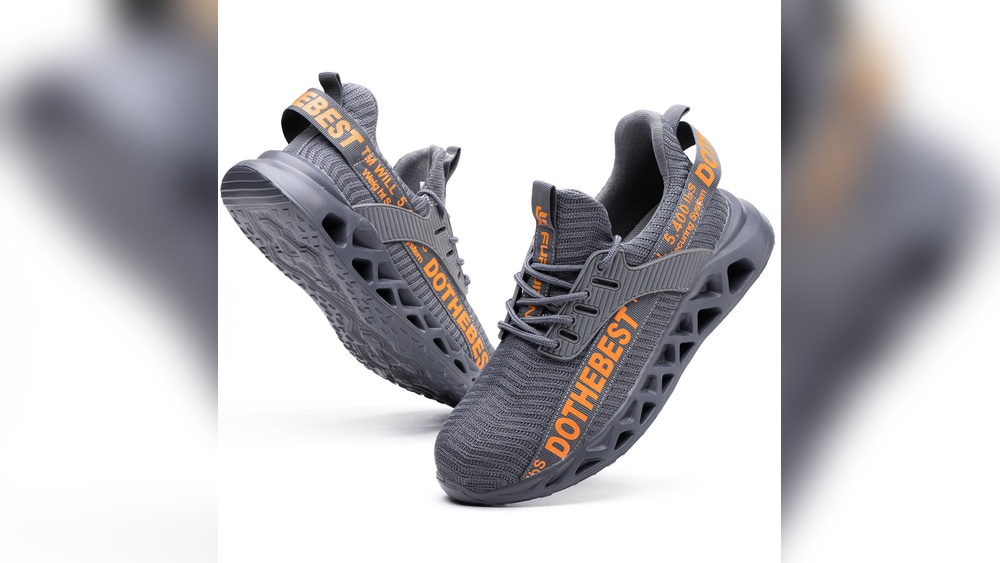
Steel toe shoes protect your feet, but they can often feel stiff and uncomfortable. If you spend long hours on your feet, discomfort can quickly turn into pain.
What if you could keep your steel toes safe while making your shoes feel much better? You’ll discover simple and effective ways to boost comfort without losing protection. Keep reading to find out how small changes can make a big difference for your feet every day.
Choosing The Right Fit
Choosing the right fit is key to making steel toe shoes comfortable. Shoes that fit well reduce pain and prevent blisters. It also helps you stay safe and work better. Focus on size, width, and support. Take your time to find shoes that feel good from the start.
Measuring Your Feet Accurately
Measure your feet at the end of the day. Feet swell after walking or standing. Use a ruler or tape to find the length and width. Measure both feet because one may be bigger. Write down your measurements for future shoe shopping.
Trying Different Brands And Models
Different brands fit differently. Try on several pairs to compare comfort. Walk around to test the fit and feel. Notice if the toe box feels tight or loose. Don’t rush; comfort is more important than style.
Considering Width And Arch Support
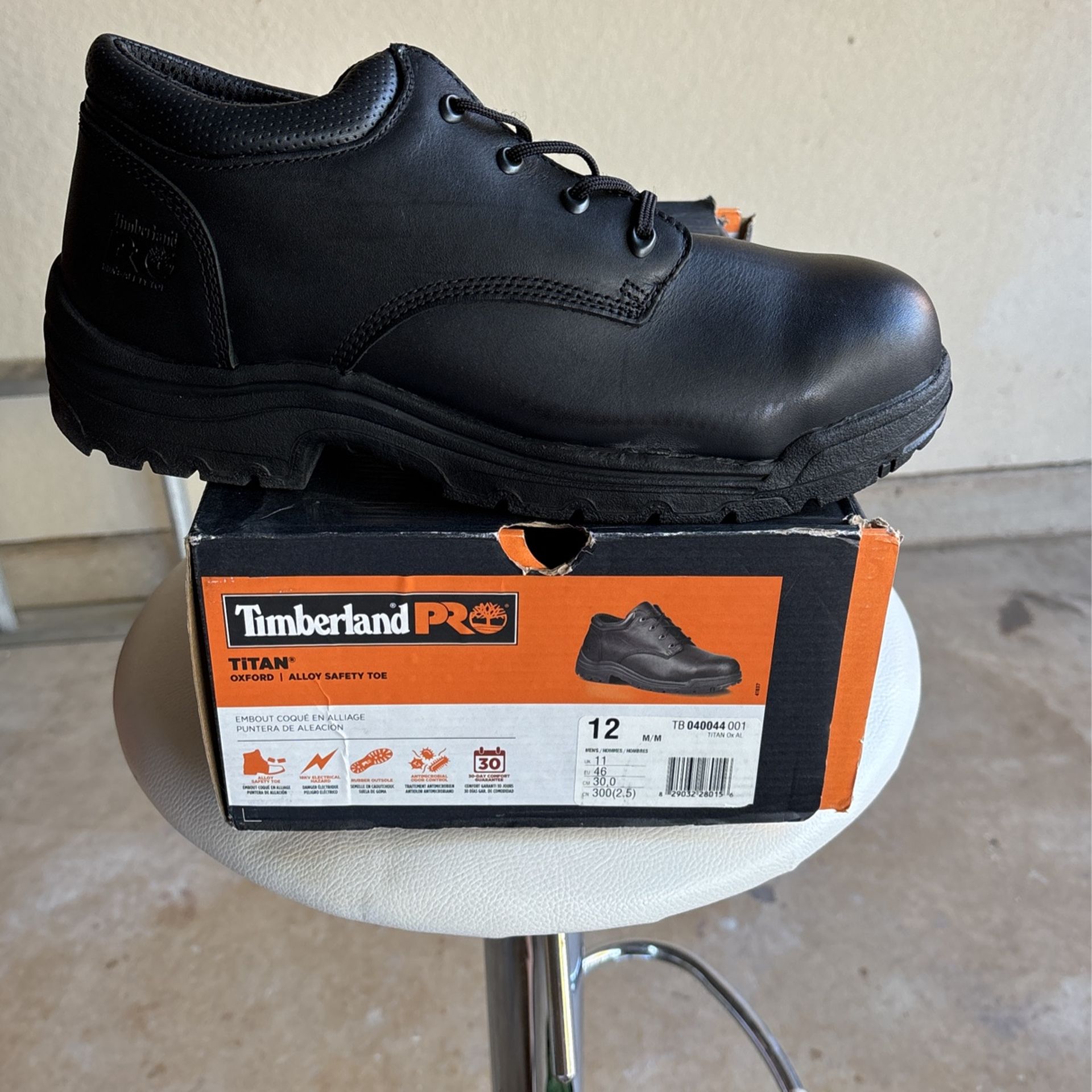
Width matters for comfort. Some shoes come in narrow, regular, and wide sizes. Choose the width that fits your foot shape. Arch support helps reduce foot fatigue. Look for shoes with good arch support or add insoles if needed.
Credit: www.esseg.eu
Breaking Them In Properly
Breaking in steel toe shoes properly is key to comfort. New shoes can feel stiff and tight. The metal toe adds extra weight and firmness. Taking steps to soften them helps your feet adjust. It also prevents blisters and soreness. This process needs patience and care. Follow simple tips to make the break-in easier.
Gradual Wearing Schedule
Wear your steel toe shoes for short periods first. Start with one or two hours a day. Increase time little by little each day. This helps the shoes soften and fit your feet. Avoid wearing them all day at the start. Give your feet time to get used to the feel. A steady schedule reduces discomfort and pressure points.
Using Thick Socks
Put on thick socks when breaking in new shoes. They add cushioning between your feet and the shoe. Thick socks protect your skin from rubbing and blisters. They also help stretch the shoe gently. Choose socks made of soft materials like cotton or wool. Wearing these socks speeds up the comfort process.
Applying Leather Conditioner
Leather conditioner softens the shoe material effectively. Use a small amount on the leather parts of the shoe. Massage it gently with a soft cloth. This prevents the leather from cracking and stiffening. Conditioned leather molds better to your foot shape. Apply conditioner regularly during the break-in period for best results.
Adding Comfortable Insoles
Adding comfortable insoles can change how your steel toe shoes feel. These insoles give extra cushioning and support. They help reduce foot pain and make long hours easier. Choosing the right insole is key to comfort. Let’s explore some good options.
Types Of Insoles For Comfort
Gel insoles offer soft cushioning and absorb shock well. Foam insoles mold to your feet and provide good padding. Arch support insoles help keep your feet in the right position. Some insoles have extra heel pads to reduce pressure. Choose insoles based on your foot shape and needs.
Custom Orthotics Options
Custom orthotics are made to fit your feet exactly. A podiatrist measures your foot shape and walking style. These orthotics give the best support and correct any foot problems. They help prevent pain and improve shoe comfort. Custom options are worth it for long-term comfort.
Replacing Factory Insoles
Factory insoles in steel toe shoes are often thin and hard. Replacing them with soft, cushioned insoles improves comfort fast. Remove the original insoles carefully to keep shoe shape. Test different insoles until you find the best fit. This simple step can make a big difference.
Improving Breathability
Steel toe shoes protect your feet but can feel hot and stuffy. Improving breathability helps keep your feet cool and dry. This makes wearing steel toe shoes much more comfortable for long periods.
Better airflow stops sweat from building up. It also reduces bad smells and skin irritation. Small changes can make a big difference.
Choosing Breathable Materials
Select shoes made with mesh or perforated leather. These materials allow air to pass through easily. Avoid shoes with thick, non-breathable fabrics. Look for options with vents or breathable linings. These features help air circulate around your feet.
Using Moisture-wicking Socks
Wear socks that pull moisture away from your skin. Moisture-wicking socks keep feet dry and cool. Cotton socks trap sweat and cause discomfort. Choose synthetic or wool socks designed to wick sweat. Change socks daily to maintain dryness.
Applying Antibacterial Sprays
Spray antibacterial solutions inside your shoes regularly. These sprays kill odor-causing bacteria. They also help prevent fungal infections. Use sprays made for footwear to avoid damage. Let shoes dry completely after spraying for best results.
Adjusting Lacing Techniques
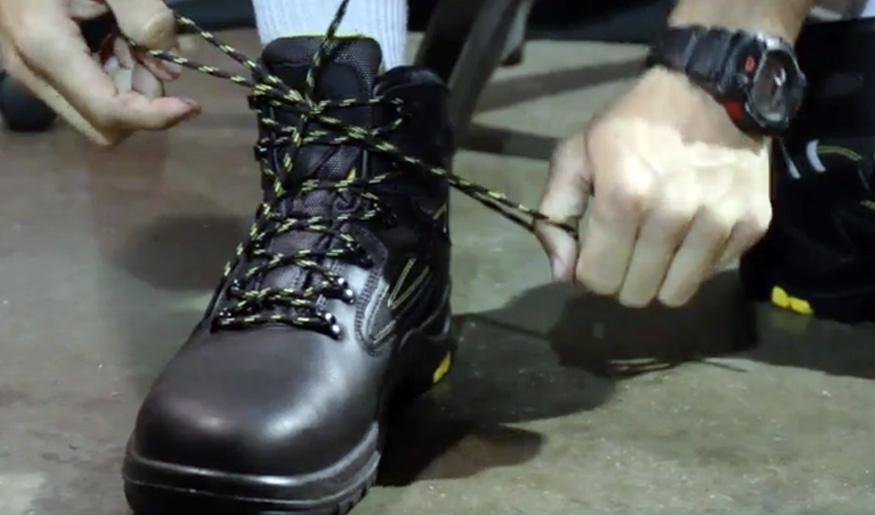
Adjusting the lacing on steel toe shoes can make a big difference in comfort. Tight or uneven laces cause pressure and pain. Changing the way you lace helps reduce discomfort and keeps your feet safe.
Lacing For Pressure Relief
Use a skipping method to ease pressure points. Skip the eyelets where your foot feels tight. This stops laces from pressing down too hard. Your foot gets more room to breathe and move.
Lock Lacing For Heel Stability
Lock lacing keeps your heel from slipping inside the shoe. Thread the lace through the last eyelets twice. Pull tight to create a small loop. This loop holds the heel firmly in place. It stops blisters from rubbing on your skin.
Avoiding Tight Spots
Check your laces for tight areas before wearing shoes. Loosen laces where you feel pinching or tightness. Even pressure helps your foot stay comfortable all day. Tight spots cause pain and reduce circulation.
Credit: www.everboots.com
Maintaining Your Steel Toe Shoes
Maintaining your steel toe shoes is key to keeping them comfortable and safe. Regular care helps your shoes last longer and feel better on your feet. Clean shoes prevent bad smells and damage. Checking for problems early stops bigger issues. Replacing worn parts keeps the shoes working like new.
Regular Cleaning And Drying
Clean your steel toe shoes after every use. Remove dirt and dust with a soft brush or cloth. Use mild soap and water for tough stains. Avoid soaking the shoes completely. Let them dry naturally at room temperature. Do not place shoes near direct heat. Proper drying stops mold and keeps materials strong.
Inspecting For Wear And Tear
Look over your shoes regularly. Check the soles for cracks or worn spots. Examine the toe area for dents or damage. Inspect the stitching and seams for loose threads. Notice any discomfort or changes in fit. Early detection of wear prevents injuries and discomfort.
Replacing Worn Components
Replace parts that show heavy wear. Swap out insoles for fresh, cushioned ones. Change laces if they become frayed or weak. Consider new soles if the old ones are smooth or cracked. Keep the steel toe cap intact for safety. Fresh components improve comfort and extend shoe life.
Additional Comfort Accessories
Steel toe shoes offer strong protection but can sometimes feel stiff or tight. Extra comfort accessories help reduce pressure and improve fit. They make long hours on your feet easier. Simple additions can make a big difference in comfort and support.
Gel Pads And Cushions
Gel pads add soft support inside the shoe. They absorb shock and reduce foot pain. Place them under the ball or heel of your foot. Cushions help prevent blisters and soreness. Gel pads fit well in most steel toe shoes.
Heel Grips And Tongue Pads
Heel grips stop your foot from slipping inside the shoe. They create a snug fit and prevent blisters. Tongue pads reduce pressure on the top of your foot. Both pads make steel toe shoes feel less tight. They improve comfort without changing shoe size.
Compression Socks Benefits
Compression socks improve blood flow in your feet and legs. They reduce swelling and tiredness during long workdays. These socks also support your ankles and arches. Wearing them with steel toe shoes helps keep feet fresh. Choose socks made from breathable, soft fabric for best comfort.
Credit: bootnshoe.com
Frequently Asked Questions
How Can I Soften Steel Toe Shoes For Comfort?
Wear your steel toe shoes at home for short periods. Use thick socks to cushion your feet. Applying leather conditioner helps soften the material. Break them in gradually to avoid discomfort.
What Insoles Improve Steel Toe Shoe Comfort?
Gel or memory foam insoles provide excellent cushioning. They absorb shock and reduce foot fatigue. Choose insoles that offer arch support for better comfort. Replace worn-out insoles regularly to maintain comfort.
How Do I Prevent Blisters In Steel Toe Shoes?
Ensure your shoes fit properly, not too tight or loose. Wear moisture-wicking socks to reduce friction and sweat. Apply blister prevention sticks or powders on hot spots. Take breaks and adjust laces if needed.
Can I Stretch Steel Toe Shoes For Better Fit?
Yes, use a shoe stretcher designed for work boots. Focus on tight areas but avoid overstretching the toe box. Applying heat with a hairdryer while wearing thick socks can help. Stretch gradually to maintain shoe shape.
Conclusion
Comfort in steel toe shoes matters a lot for your daily work. Choose good insoles to add softness and support. Break in your shoes slowly to avoid pain and blisters. Wear the right socks to keep feet dry and comfy.
Keep checking your shoes for wear and replace when needed. Small changes can make a big difference in comfort. Stay safe and feel good on your feet all day long.